Soil Turn—A Field Guide to Artistic Earthly Engagements, edited by Alexandra R. Toland, an artist, environmental planner and professor of arts and research at Bauhaus University Weimar and Patricia L. Watts, a curator and the founder of ecoartspace in Los Angeles. Published by ecoartspace with support from Bauhaus-Universität Weimar.
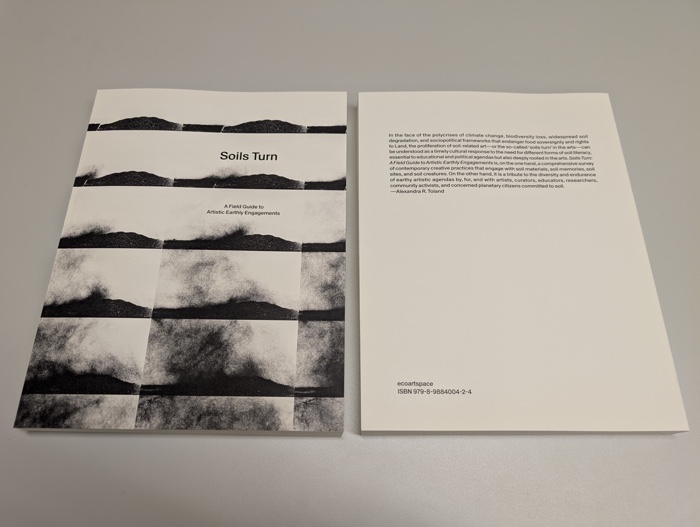
2015 was declared the International Year of Soils. Since then, write the editors of Soil Turn—A Field Guide to Artistic Earthly Engagements, soils have entered the global spotlight, spurring an abundance of art exhibitions, festivals and other awareness-raising activities. I was probably in hibernation back then because it’s only much more recently that i came to realise the vital importance of soil health. I had heard of soil sealing of course but that term literally remained on the surface. Just my knowledge of the significance of soil.
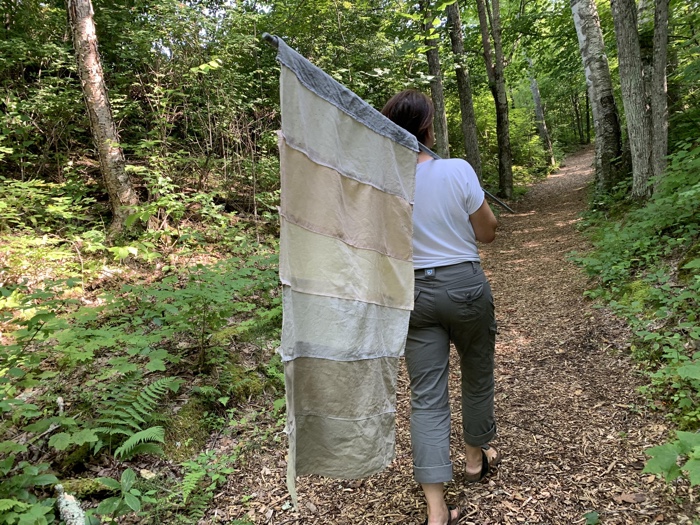
Brooke Singer, Site Profile Flag #1 (Marble House Project, Dorset, VT), 2019
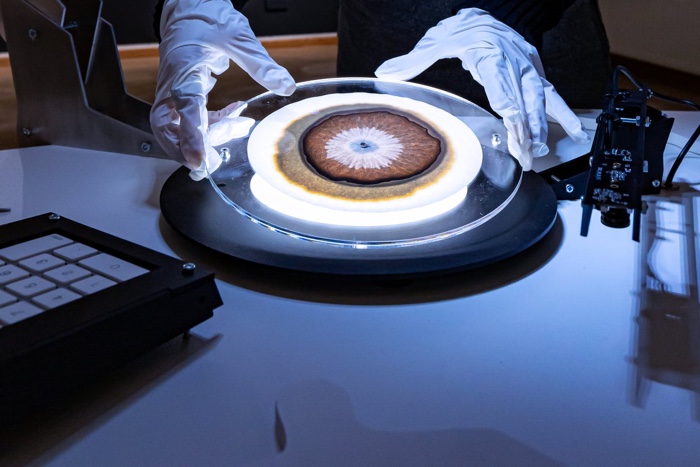
Saša Spačal, Terra Xenobiotica, Osmo/za, Projekt Atol Institute, 2024
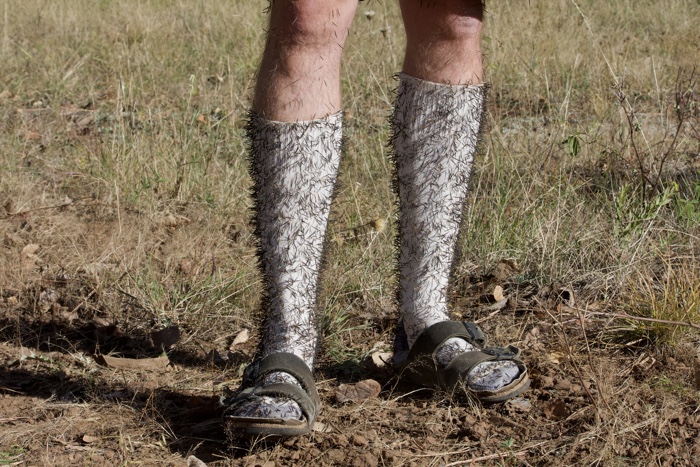
Shawn Skabelund, Seed Dispersal Drawing, 2012, performance. Photo: Adrian Skabelund
Soil Turn offers an extensive survey of contemporary creative practices that engage with soil in all its dimensions: as material, space of memories, site and source of life. Ignorant as i was before opening the book, I had assumed that the topic of soil in art was quite niche. It turned out to be incredibly diverse, exciting and rich.
While I expected land art and pottery, I encountered edible soil, a floating food forest, hidden soil soundscapes, co-production with non-human collaborators, a decomposing SUV, explorations of earthworm’s perception, life within damaged soil ecosystems and many other works that call for a shift from control to care, from extractivism to kinship with the more-than-human world.
Through essays and artworks, Soil Turn illuminates how contemporary art practices elevate soil from the status of a neutral material appreciated mostly for its textures and colours to a substance that sustains and inspire life, culture and creative expressions.
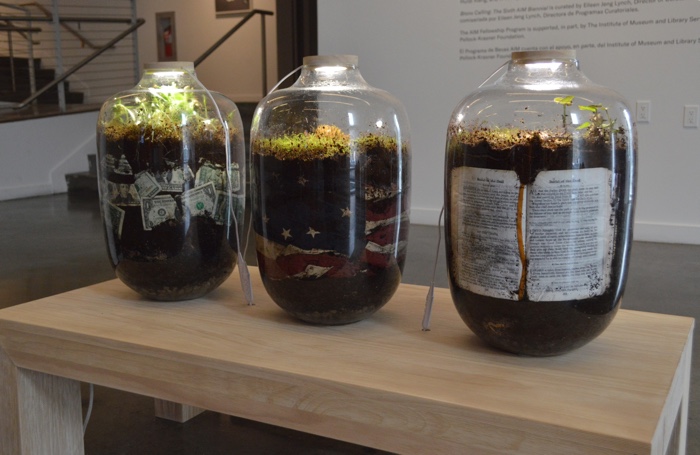
Christopher Lin, Seeking New Gods, 2024
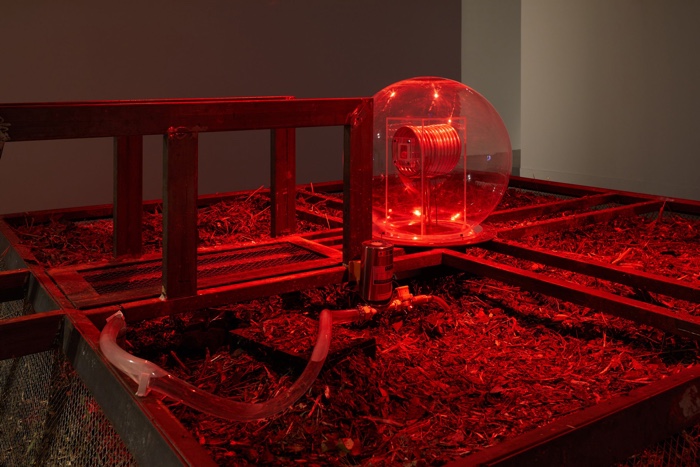
The Tissue Culture & Art Project (TC &A), Compostcubator 0.4, 2019
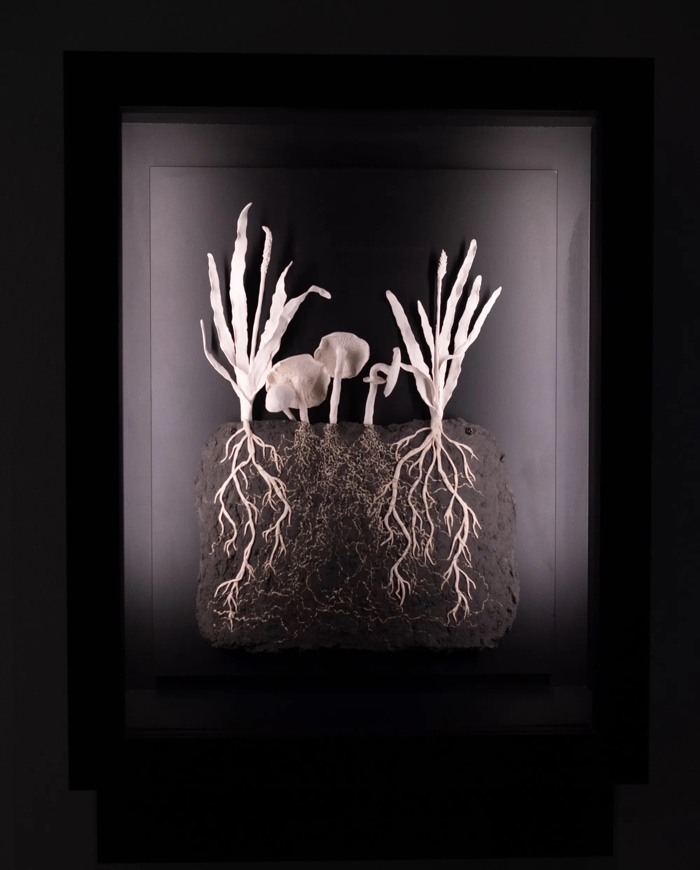
Jo Pearl, Unearthed Mycelium, 2024, a ceramic frieze of above and below soil mycelial relationship between plants and fungi. Part of SOIL: The World at Our Feet, large scale group exhibition at Somerset House, London, 2025
There isn’t a single essay in this book that i did not enjoy. I will, however, highlight two of them. The first one is by Elise Malik. In her wonderfully interesting text, she looked at the challenges and conditions of engaging with soils in museums, conferences, galleries, gardens and other venues across Europe. Her analysis goes from the most recent stages in the development of soils on display to the ways of mobilising audiences, especially on a sensory level, to soil-related issues.
In an expose of the absurdity and savagery of European colonialism, Lisa Moren looked at the tensions surrounding the world’s oldest Aboriginal ochre mine. Located in a region that white colonisers coveted as a lucrative mining province, this site was in fact the sacred domain of the Diyari. As exclusive stewards of its secret location, the Diyari transformed iron ore rock and soil into a red-ochre pigment, essential for sacred rituals, rock art and body adornment. They ground up this iron ore rock and soil into a powder, binded it together using water or urine, wrapped it in grass and human hair and then carried the obtained material several hundred kilometres back to Lake Eyre where their tribe relied on trading the ochre for the rest of the year.
The peaceful pilgrimage to and from the mining site was interrupted in 1860, when European sheep farmers first came into direct conflict with the Diyari. Moren writes: “Father Flynn said that when “White men [came to this continent they]… made the common mistake of assuming that, because the Aboriginals were wanderers, they could have no system of land tenure. This was nonsense. Aboriginals, it was true, could not imagine territory as a block of land hemmed in by frontiers: but rather as an interlocking network of ‘lines’ or ‘ways through’…,” and said that “all our words for “country”… are the same as the words for “lines,” and that the word for “white man” is the same as the word for “meat” or sitting prey³ [Chatwin, 1988]. Therefore, the farmers on the Diyari songline, and all their belongings, including their sheep, were literally sitting prey.”
Here’s a selection of the many many artworks I discovered in the book:
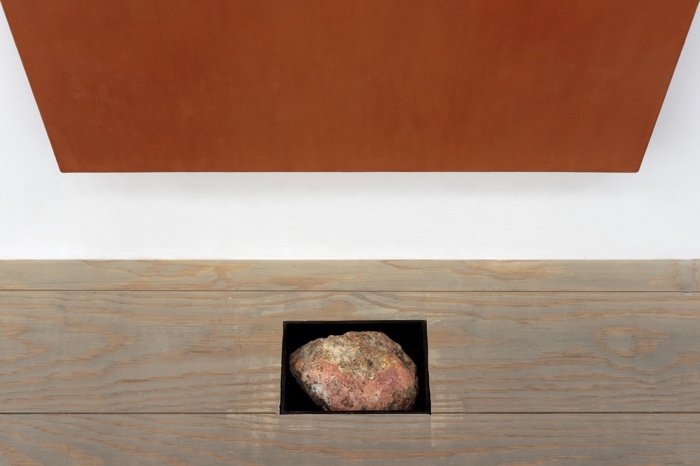
Michael Wang, Terroir, Hong Kong (detail), 2015
Michael Wang’s Terroir is a series of monochrome paintings made from the pulverised bedrock of a single city. A fragment of the original stone accompanies each painting. “Terroir” is a French term that refers to the unique flavour a soil imparts to a food crop. Wang applies the term to the overlooked earth of metropolises. The artist traveled to each city to collect rocks from construction sites, parks and roadsides. He then crushed and grinded each sample until he obtained at a fine powder, which was then used to make a pigment that reflects the geology of each city has a different geology: Berlin is built on grey-brown glacial sands; Hong Kong, rusty sandstone; New York, glittering black schist, etc.
Mary Mattingly, Swale, Floating a Public Food Forest
Swale was a food forest and edible public park that navigated New York City’s waterways challenging citywide laws about foraging on public land and access to public space. The soil used was made from NYC’s composted food waste, and was watered by rain and filtered river water. It was not treated with chemicals.
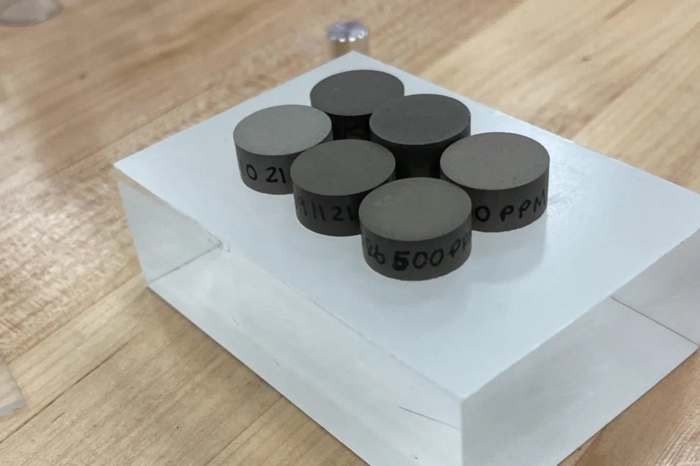
Maru García, Boiling Rocks, 2024
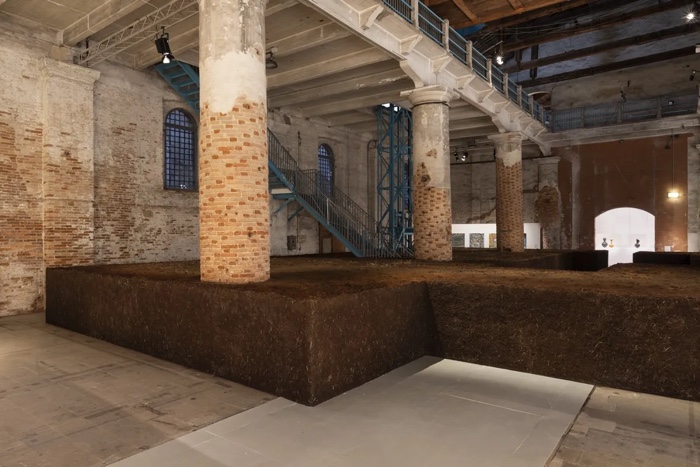
Delcy Morelos, Earthly Paradise, 2022, at the 59th International Art Exhibition – La Biennale di Venezia, “The Milk of Dreams,” 2022. Photo by Roberto Marossi / La Biennale di Venezia
In Delcy Morelos’s installation Earthly Paradise, masses of earth surround the spectator’s body. Installed in the Venice Biennale Arsenale (a place that used to store weapons), the sculpture is fragrant, immersive and fertile. The black mixed soil is scented with substances such as cassava flour, cacao powder, cloves, cinnamon and other edible ingredients. Moist and living, the soil is not an inert material that we control at our will from an outside and exceptional position, we are part of it, it feeds us and we will decompose within it.
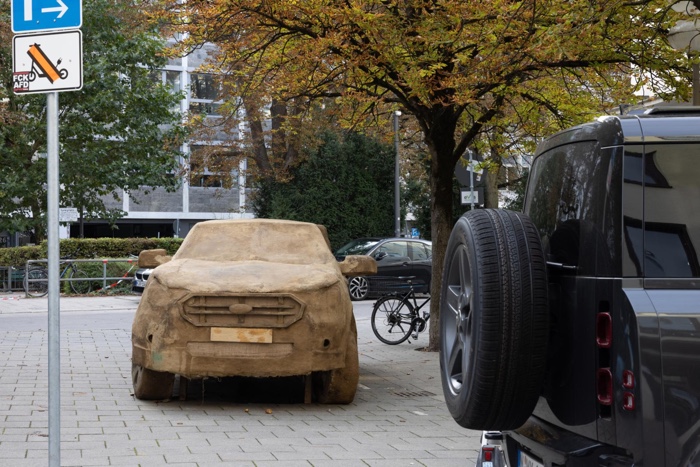
Folke Köbberling, Mash & Heal, 2024–2027. Photo: Thomas Bruns
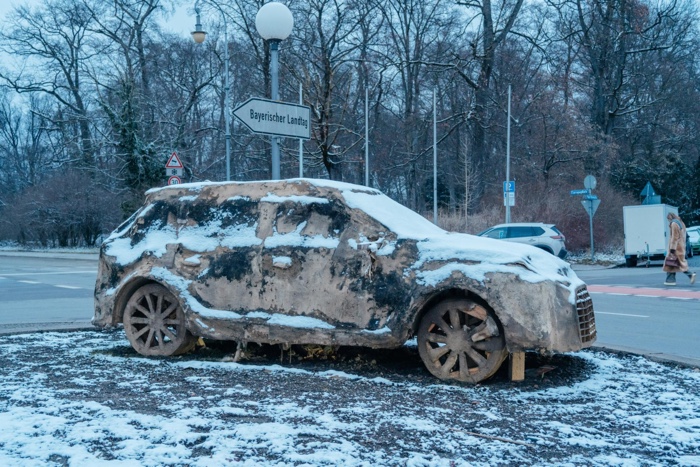
Folke Köbberling, Mash & Heal, 2024–2027. Photo: Quirin Leppart
Folke Köbberling parked a replica of a SUVA made from compostable composite material on a busy street in Munich, letting it slowly decompose, as a comment on a culture that often gives more rights to mobility infrastructures than to soils.
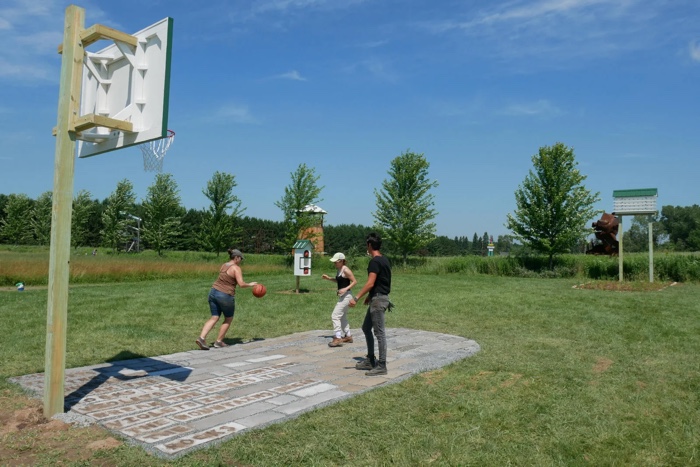
Kosmologym, Dirtball, 2019-ongoing
As players dribble the ball, they help break apart the concrete of the basketball field and release minerals into the ground that help the soil flourish.
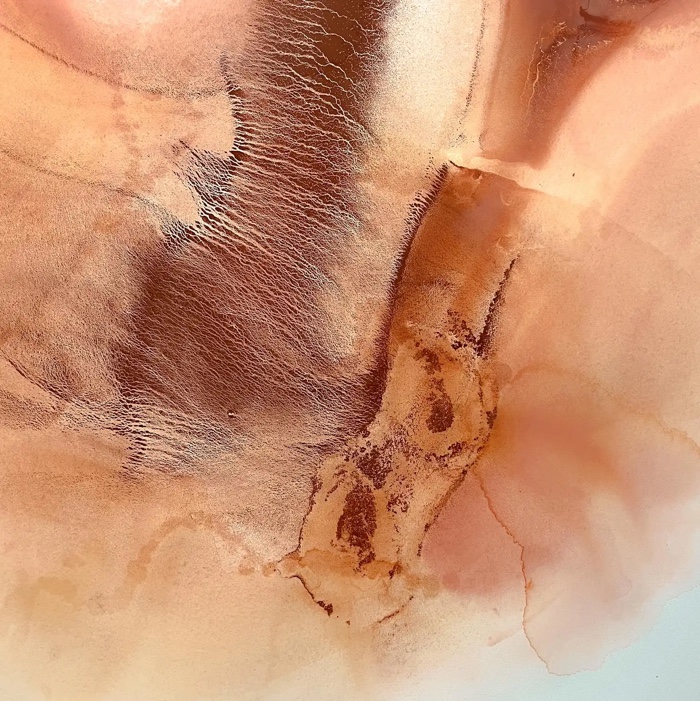
Heather Bird Harris, Affordances of Water (Atchafalaya Basin), 2024
The clay Heather Bird Harris used for Affordances of Water (Atchafalaya Basin) was collected from a Mississippi River tributary, where pink and light-orange veins run through the banks. Since the 1920s, Louisiana’s coastline has been dissolving into the Gulf of Mexico, a football field every 45 minutes. But one spot in Atchafalaya Bay defies this trend, building roughly 2.5 square kilometer of new wetlands each year. Unlike the Mississippi, the mouth of the Atchafalaya River is allowed to flow freely. Uncontrolled controlled, the ecosystem regenerates. Affordances of Water mirrors this geologic process: water carried clay pigment across the substrate until it settled, forming tributaries and islands.
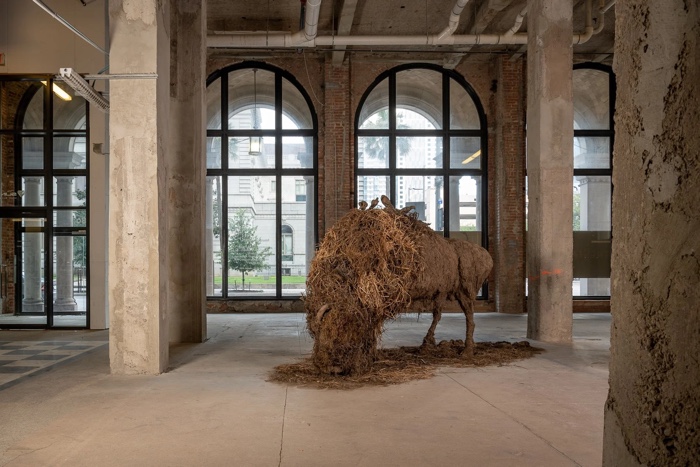
Cindee Klement, Endangered Knowledge: The Soul of Humus, 2021
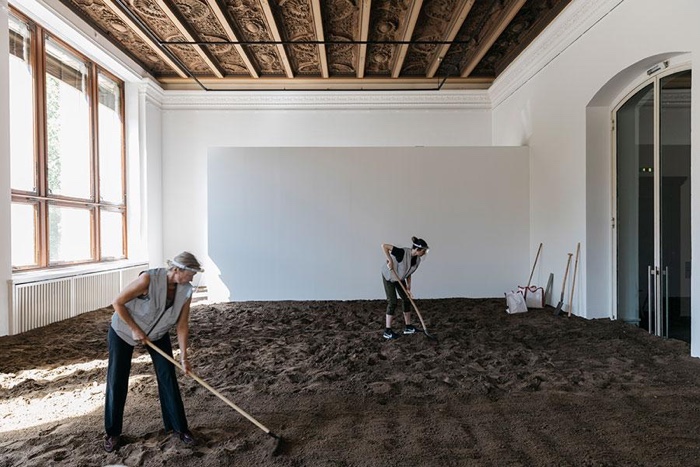
Asad Raza, Absorption, 2019-2020. Photo: Ray Stonada
Asad Raza brought the outdoors in, with 300 tonnes of soil and other organic material covering the entire ground floor of a building in Sydney. The soil and raw materials were sourced from across the state of New South Wales and were being slowly mixed together and cared for by a group of “cultivators” working on the soil over the course of the exhibition.
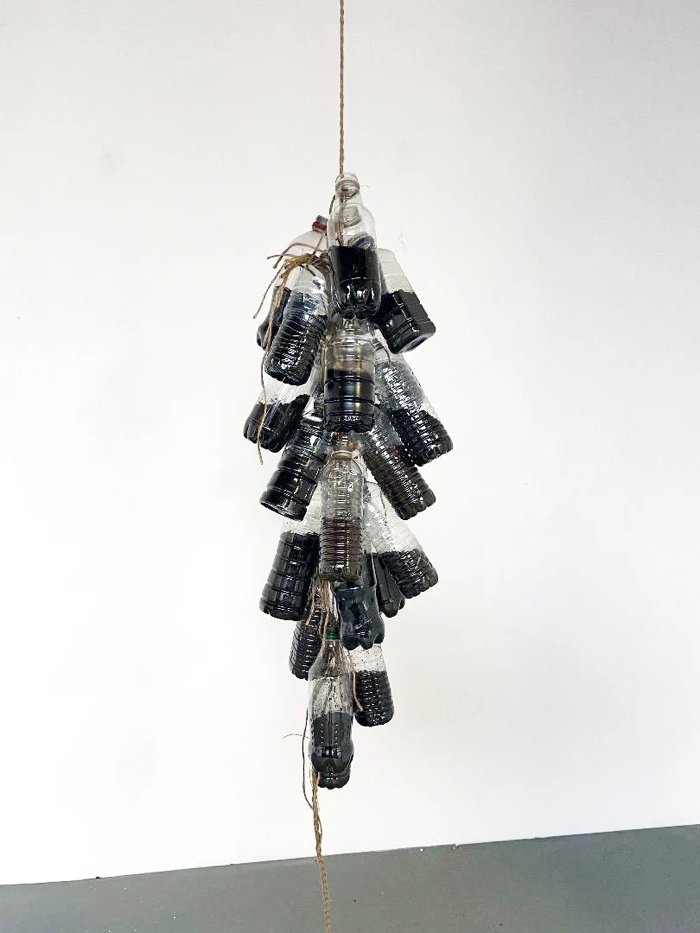
Kathleen King, Oakland As Soil, 2023,
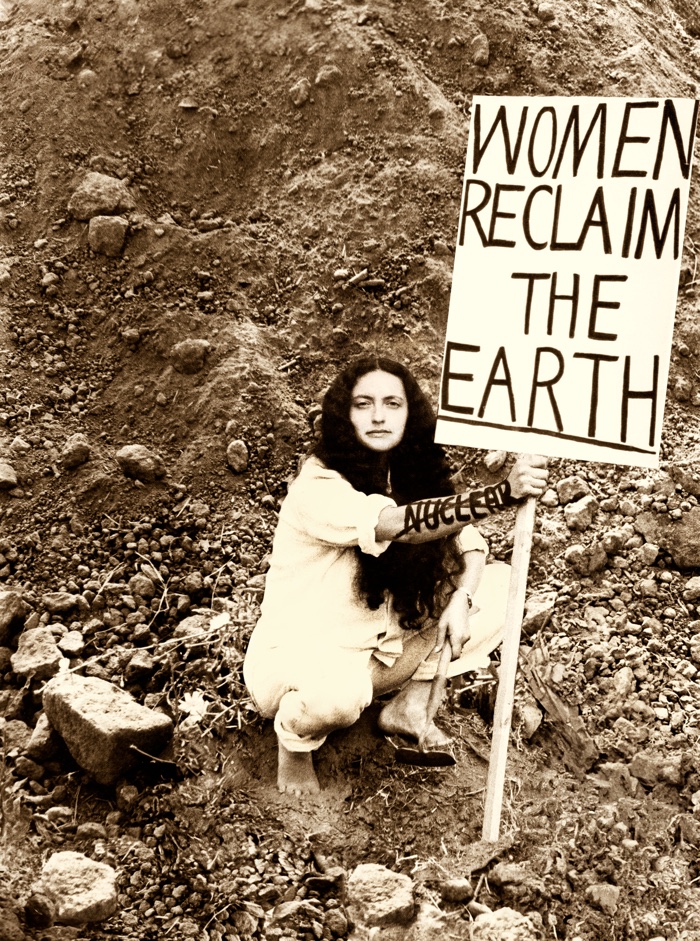
Leslie Labowitz Starus, Women Reclaim the Earth poster, 1979
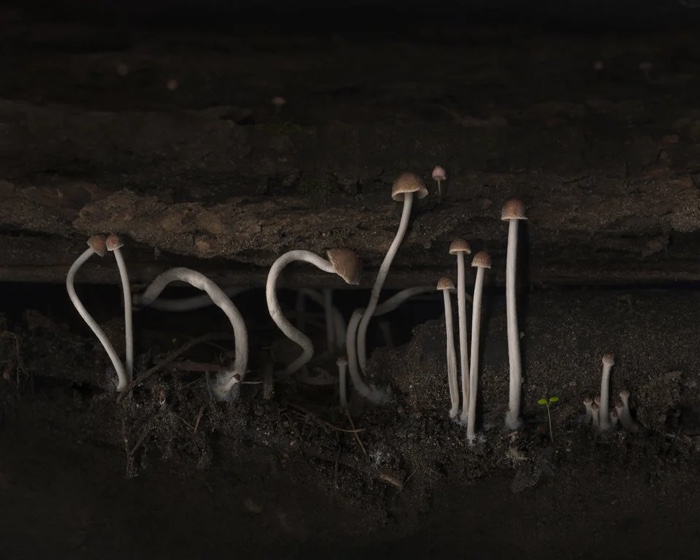
Melinda Hurst Frye, The Workers (detail), 2022,
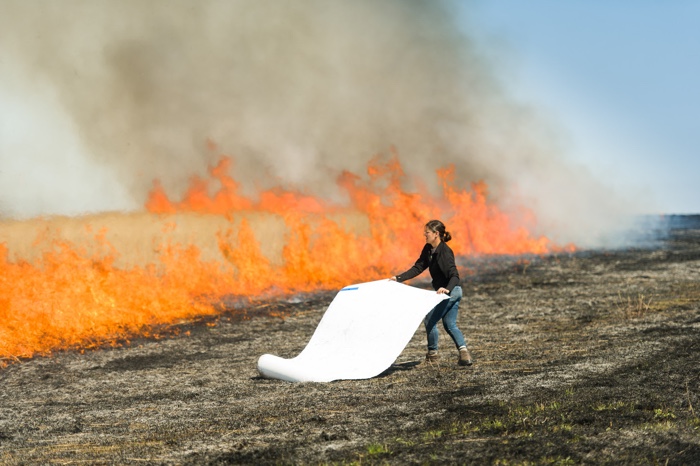
Erin Wiersma, Konza Prairie Biological Station, 2017. Documentation photo: Evert Nelson 256
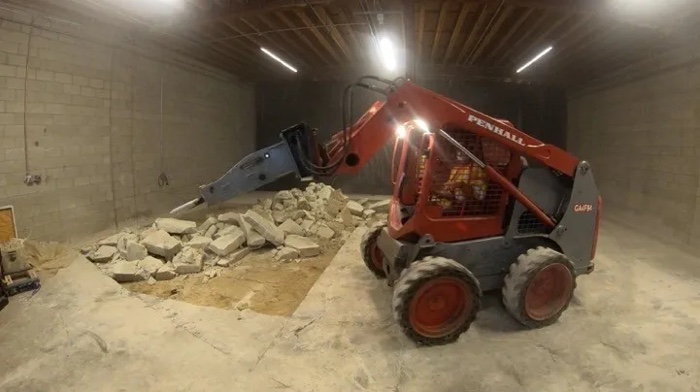
Lauren Bon and Metabolic Studio, Un-development 2 warehouse, 2024-present
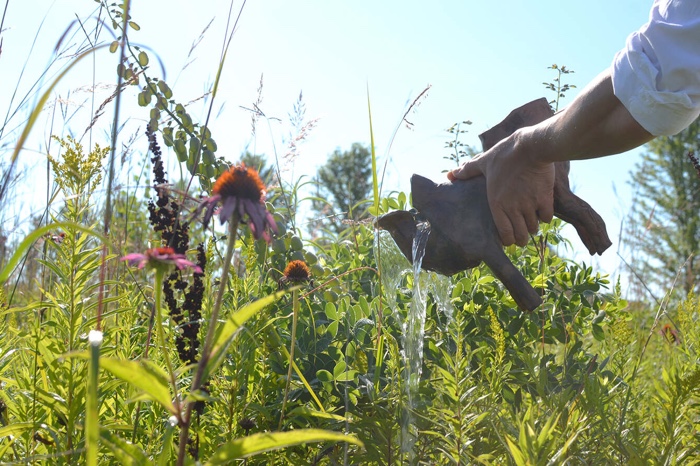
Rachel Frank, Rewilding the Prairie at Franconia Sculpture Park, 2022, performance with ceramic vessels
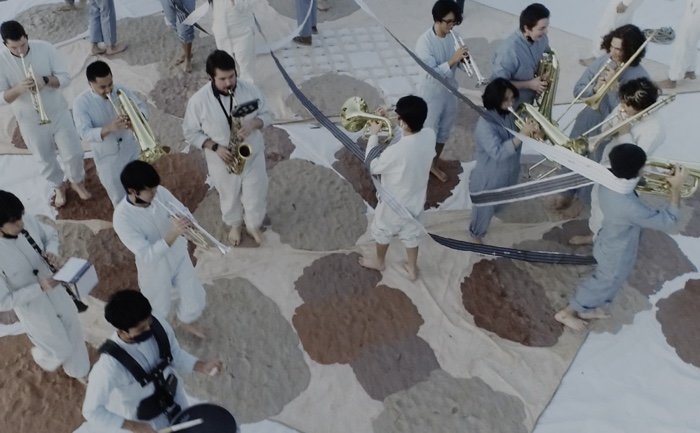
Future Farmers, Soil Horizons, A Summoning San Jose, CA, 2022

Ashanti Chaplin, Untitled (Hidden Gospels of Dust) 1, 2024. Photo: nico w. okoro
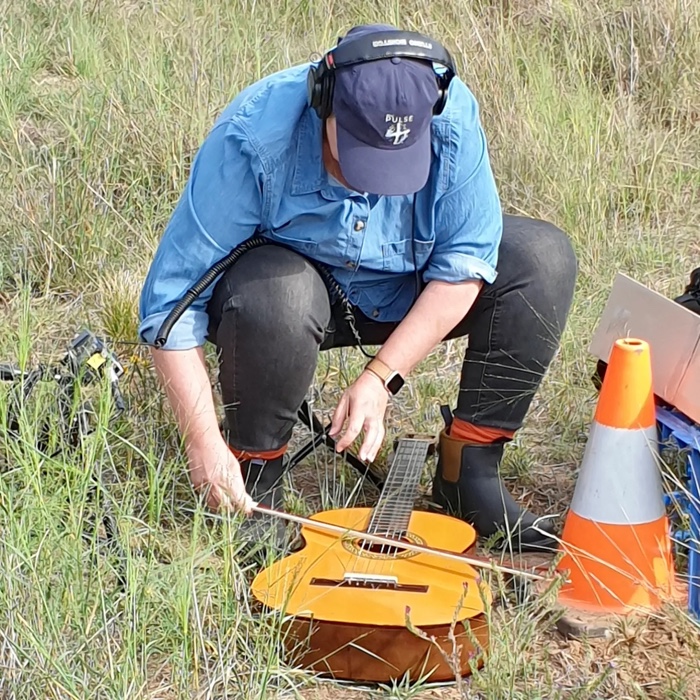
Kim V. Goldsmith, Playing an out of tune guitar with a violin bow to soil fauna during a soil listening session in the summer of 2023-2024
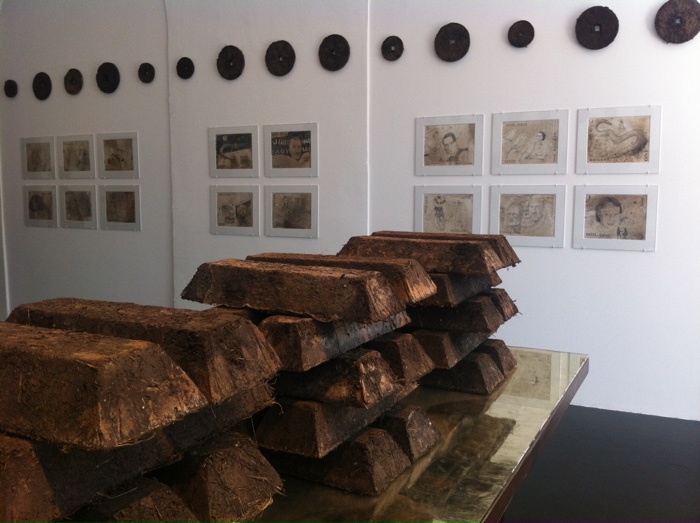
Claire Pentecost, Soil-erg currency, 2012. Photo: Nicola Triscott
Daniel Hengst, Blooming Love, 2020
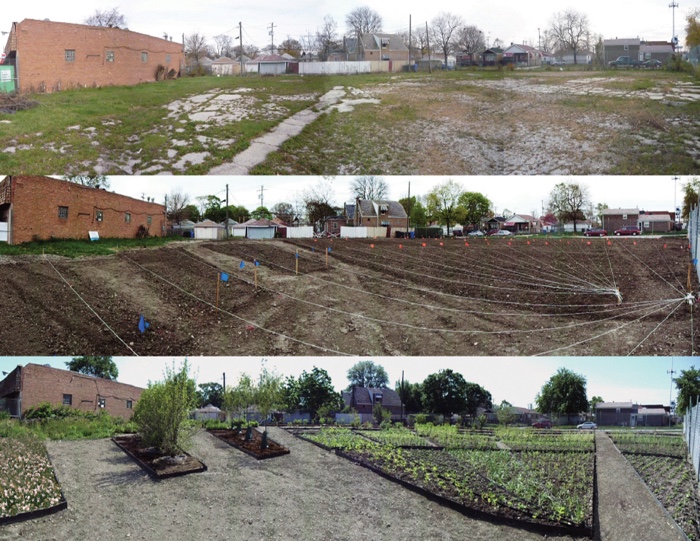
Frances Whitehead, SLOW CLEANUP: Civic Experiments in Phytoremediation, 2008-2012
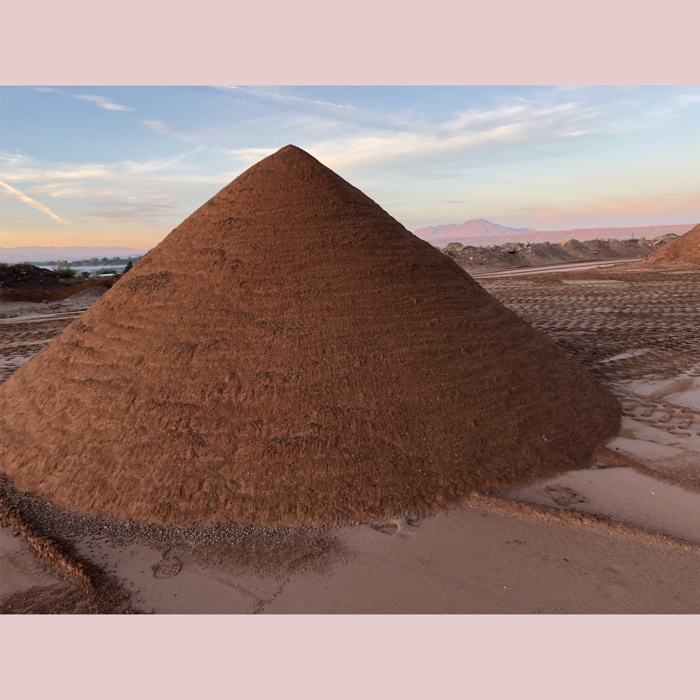
Paula Castillo, How to Denegate a Mountain #1, 2018, Arroyo Dirt / by-product from a sand and gravel quarrying process from the western slope of the Manzano Mountains, Veguita, New Mexico
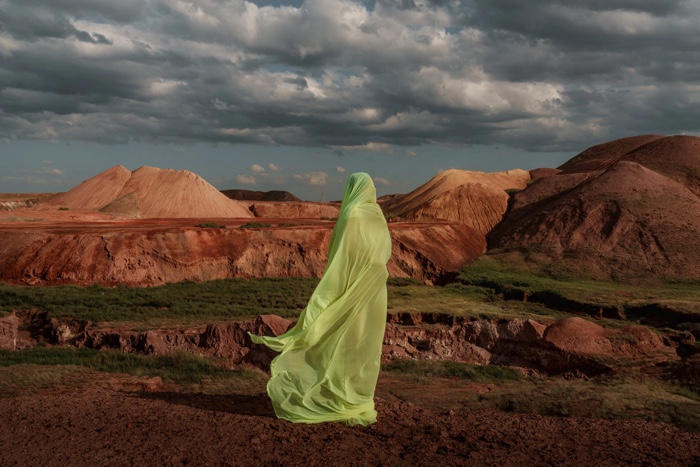
Liz Miller Kovacs, Supernatural
Related stories: Field to Palette: Dialogues on Soil and Art in the Anthropocene, Dust Blooms. Can we put a price on the services that urban flowers provide?, Turning human waste into beer and fruit trees, etc.