
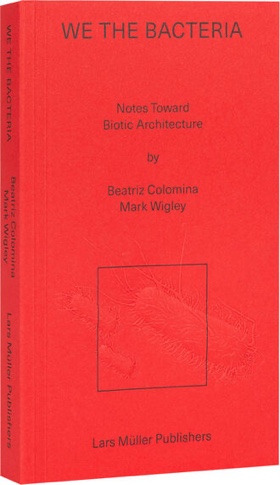
 We The Bacteria. Notes Toward Biotic Architecture by architectural historians Beatriz Colomina and Mark Wigley. Released by Lars Müller Publishers.
This “alternative history of architecture from the point of view of microbes” compiles the research that led to the exhibition We the Bacteria: Notes Toward Biotic Architecture at the 24th Milan Triennale last year. Curated by Colomina and Wigley, the show investigated how microbial ecosystems relate to spatial design and health inequality.
The book argues that microbes have not only built the whole planetary biosphere but they have also been the real architects of our homes and cities throughout the ages. Or rather, it’s the fear and diseases they cause that have shaped our spaces and the ways we move through them.
About ten thousand years ago, humans began retreating into spaces increasingly cut off from the exterior world. Plants, soil and insects could be left outside. But microbes, including pathogenic ones, followed humans inside their homes, where they adapted, mutated and generated new diseases. As our shelters expanded into villages, cities and sprawling empires, so too did the microbial ecosystems.
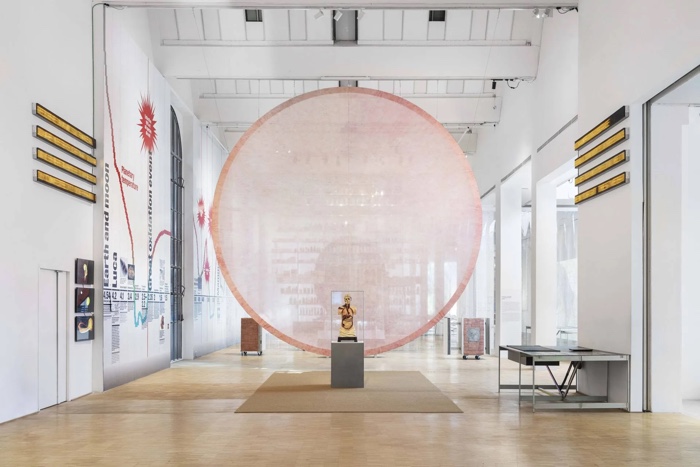
The unfolded size of the gut, installation photograph, We the Bacteria: Notes Toward Biotic Architecture exhibition, 24th Milan Triennale International Exhibition Inequalities, 2025
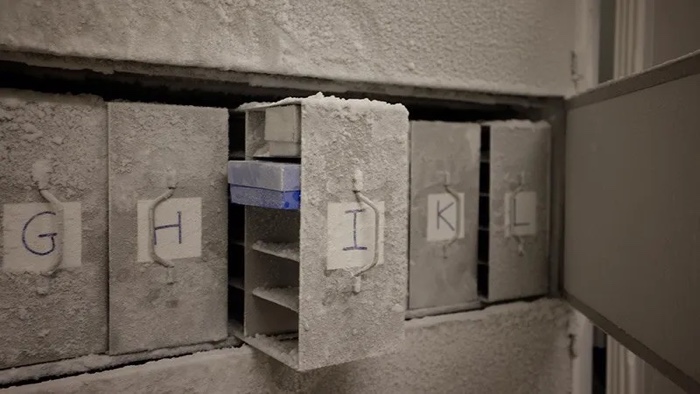
Stool samples stored in Microbiota Vault. Image: Microbiota Vault Initiative

Polio patients in iron lungs, Rancho Los Amigos Rehabilitation Center, California, 1953 (photo)
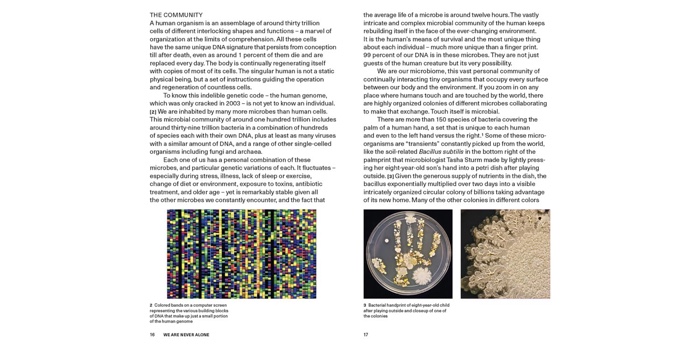
The authors narrate how buildings and bodies exist in a constant microbial exchange, co-evolving into a single, dynamic ecosystem. The microbiome of a home is highly specific to its inhabitants. Even the microbiome of a frequently cleaned hospital room resembles the microbiome of the previous patient, but starts to resemble that of a new occupant after twenty-four hours.
Architecture cannot exist without microbes, and, by extension, without disease. While scrubbing, spraying and disinfecting may eliminate most microorganisms, these practices also breed extremophiles, species so resistant that they can take over the space.
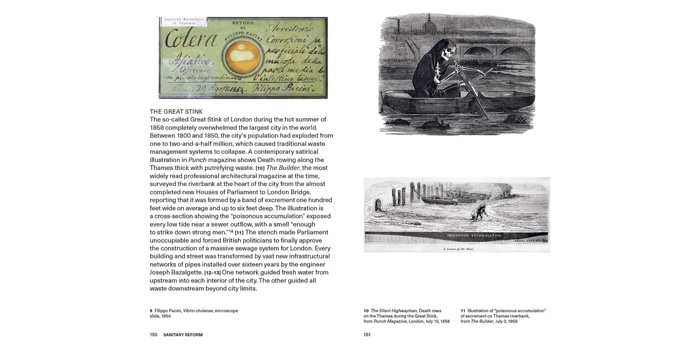
Throughout history, the book reveals, health crises have dictated architectural and urban design. From toilets to fumigation systems, from the plague hospitals, aka lazarettos, to the sanatoriums for tuberculosis patients; from sewage systems to urban parks, cities have been continually reshaped in response to the threats they sought to contain. Architecture became the first line of defence against microbes.
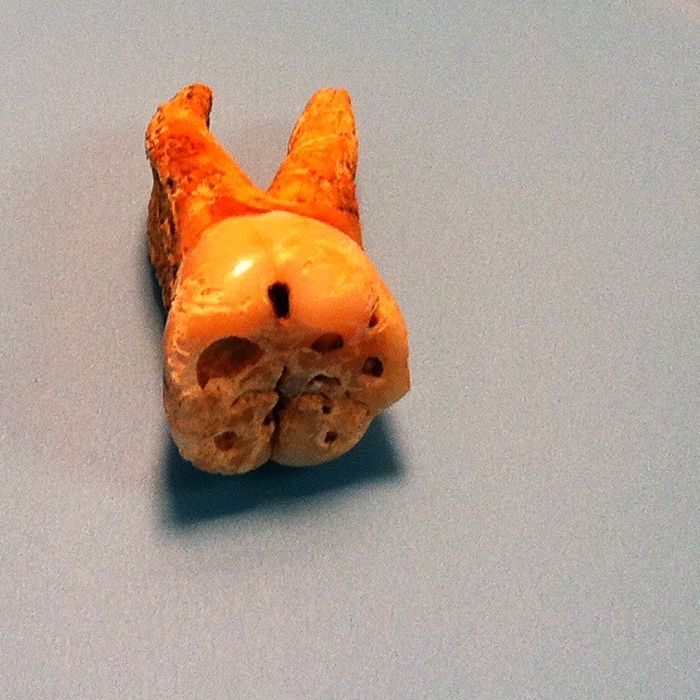
Tooth containing Yersinia pestis of Justinian plague victim found in burial ground in farmland outside Munich. Photo: NPR
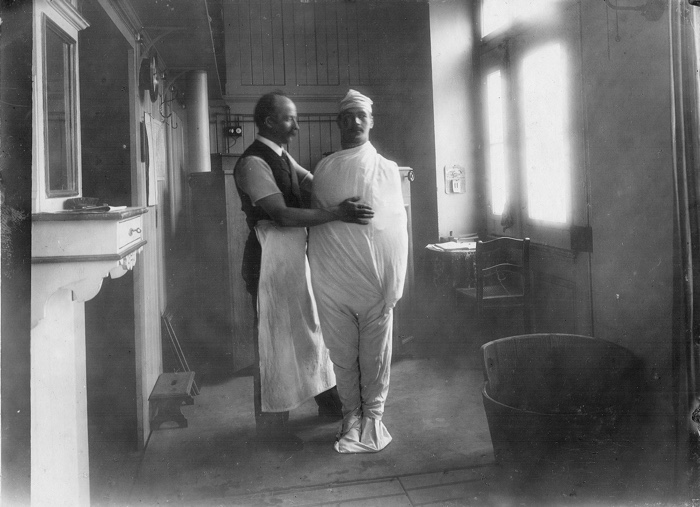
Hydrotherapy at the sanatorium “Lebendige Kraft,” full body wrap by Dr. Maximilian Bircher-Brenner, Zurich, 1910. Universität Zürich, Institut für Medizingeschichte Bircher-Brenner-Archiv
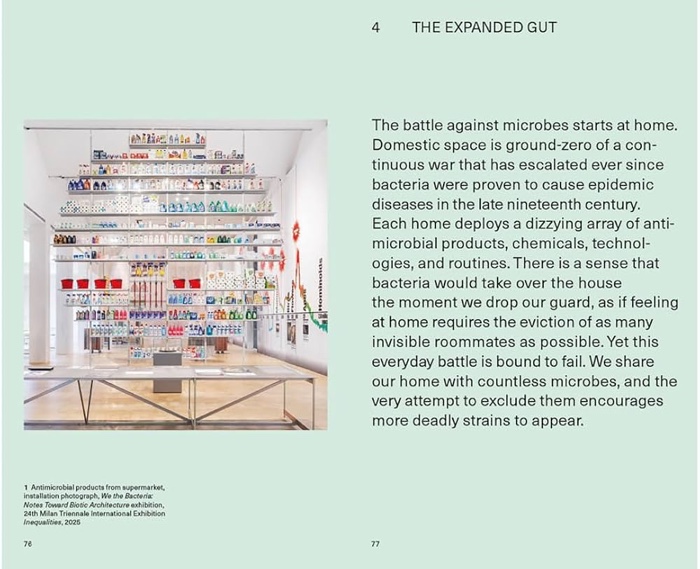
Colomina and Wigley refer to overly sanitised environments as “antibacterial architecture.” Paradoxically, its design approach fosters illness. By eroding human microbial diversity, it cultivates increasingly antimicrobial-resistant superbugs. This weakens our natural defences against the very microbes it helps breed. Over the next twenty-five years, deaths linked to antimicrobial resistance are projected to surge by 70%, potentially making it the world’s leading cause of mortality.
Yet even as architecture and engineering vilified microbes, science uncovered the beneficial role of many of them, particularly in sewage treatment and water filtration systems. Today, microbes have become the allies of the building industry. Bacteria, fungi and microalgae generate electricity and biomass with bioreactors; remediate toxicity in ground and water, sequester carbon dioxide, digest pollution, degrade plastic, help restore historic landmarks like the Duomo in Milan and the Alhambra in Granada, etc.
Given the important role that microbes play for our immune systems and the environments we inhabit, the authors call for a biotic architecture. Biotic architecture is less human-centric than traditional architecture. It learns from microbes rather than resists them. It does, of course, maintain some antimicrobial protocols against pathogens remain crucial. Water, sewage systems, toilets and food preparation areas still need to be cleansed, but cleaning routines should also embrace controlled exposure to microbial diversity. During COVID-19, for example, microbiologist Elisabetta Caselli and her colleagues replaced conventional disinfectants with probiotic-based sanitation in six Italian public hospitals. The result was a decrease in surface pathogens by up to 90% compared to conventional chemical cleaning and lower rates of healthcare-associated infections and antibiotic resistances.
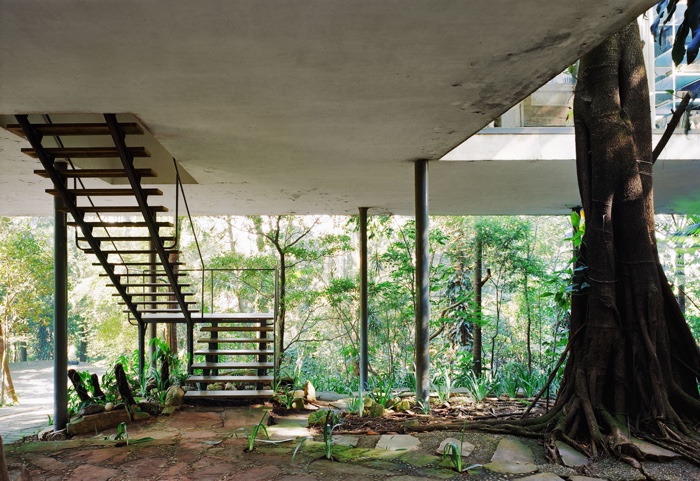
Casa de Vidro by Lina Bo Bardi
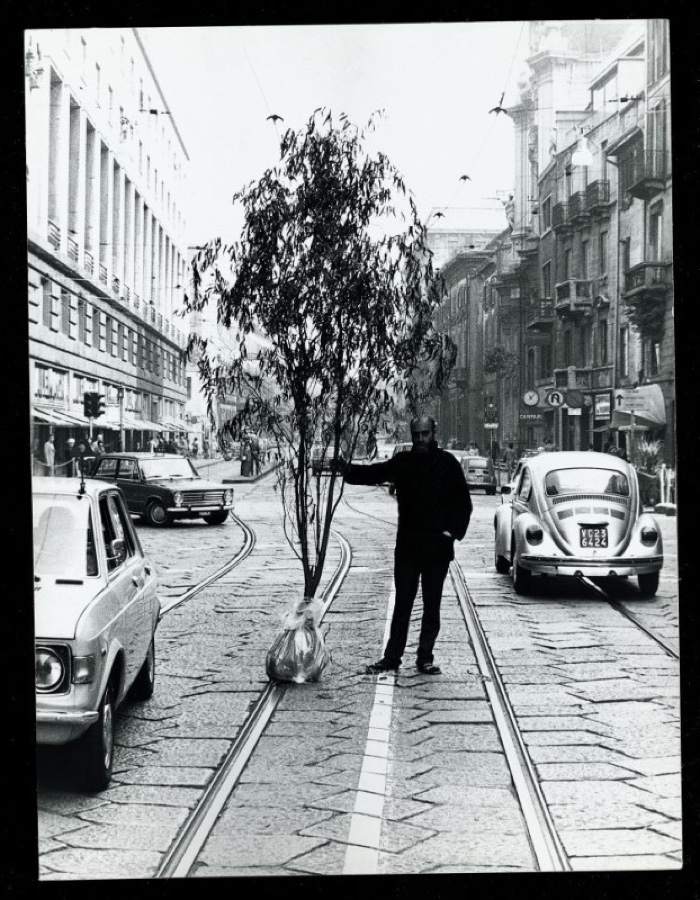
Hundertwasser with a tree tenant on Via Manzoni in Milan, 1973. Photographer: Aldo Cantarella. Copyright: Hundertwasser Archive
We The Bacteria. Notes Toward Biotic Architecture is informative, entertaining, packed with anecdotes, archival photos and fascinating historical fact. More importantly, it’s one of those rare reads I had over the past few months that doesn’t make me despair at humanity. For once, here is a book that presents a vision where humans can actively contribute to microbial diversity, collaborate with the unseen world around us and build in ways that nurture rather than harm the environment.
More works and images from the book:
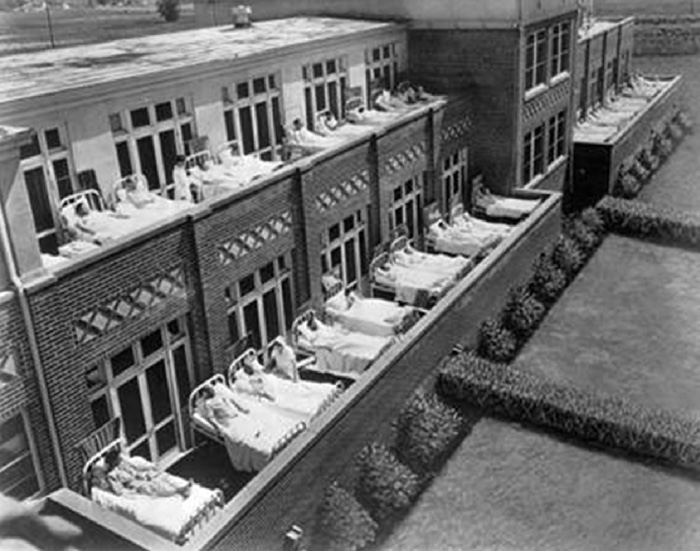
Heilanstalt (the healing place): sanatorium established in the village of Görbersdorf in Silesia in 1854 by Hermann Brehmer (via)
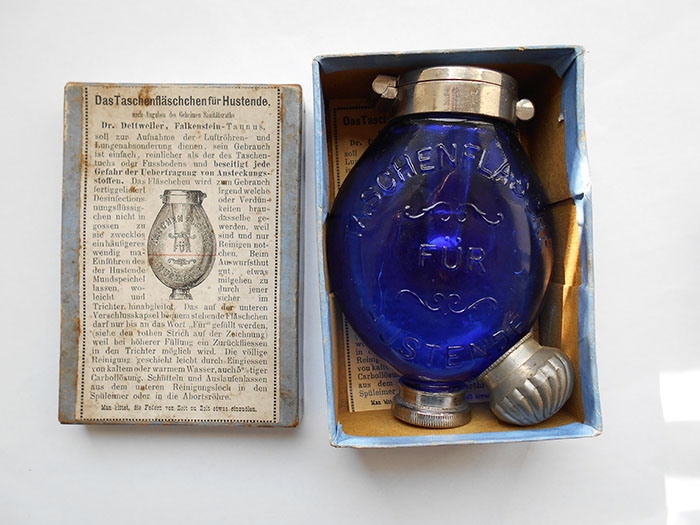
19th-century physician Peter Dettweiler developed “Blue Henry”, a glass pocket spit-flask that patients would constantly carry with them to catch their sputum. It was made with blue cobalt glass to disguise its contents to others
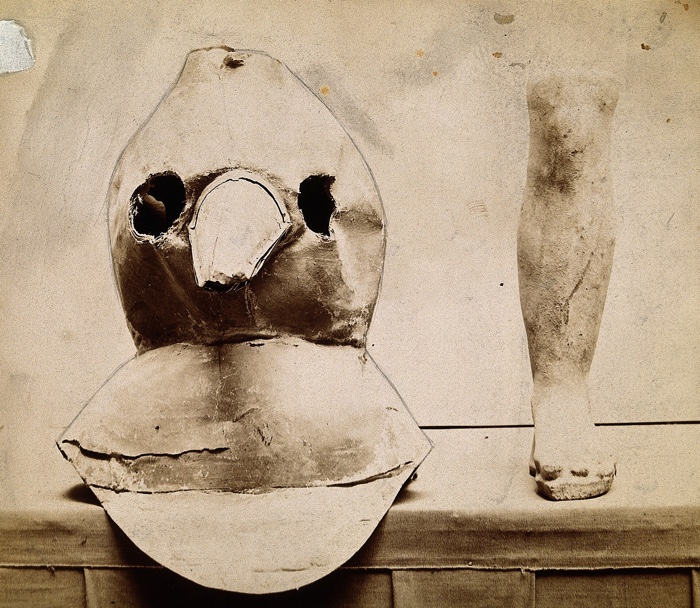
Plague apparatus from a lazaretto in Venice: an oil cloth mask with a bronze beak and a terracotta model of a foot and leg. Photograph
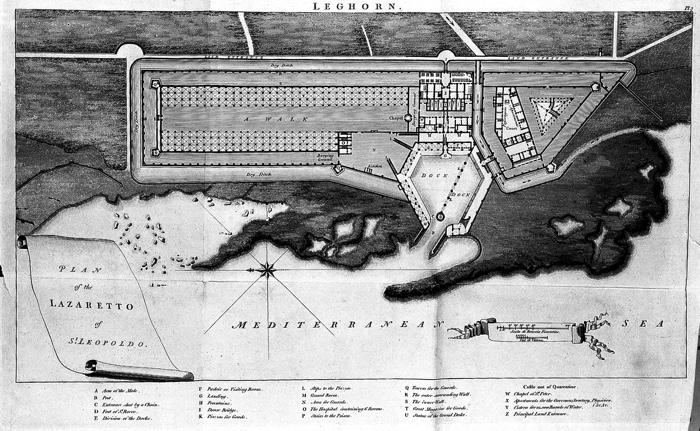
Plan of Lazaretto of San Leopoldo, from John Howard, An Account of the Principal Lazarettos in Europe, London, 1789 (via)

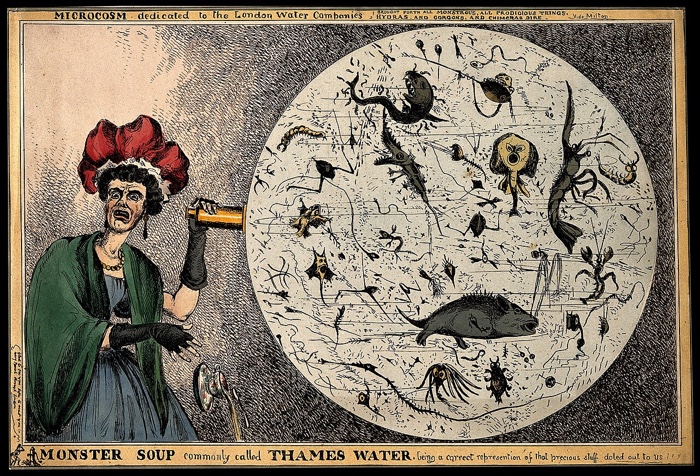
William Heath, Monster Soup commonly called Thames Water, satirical etching on Thames water pollution, 1828 142

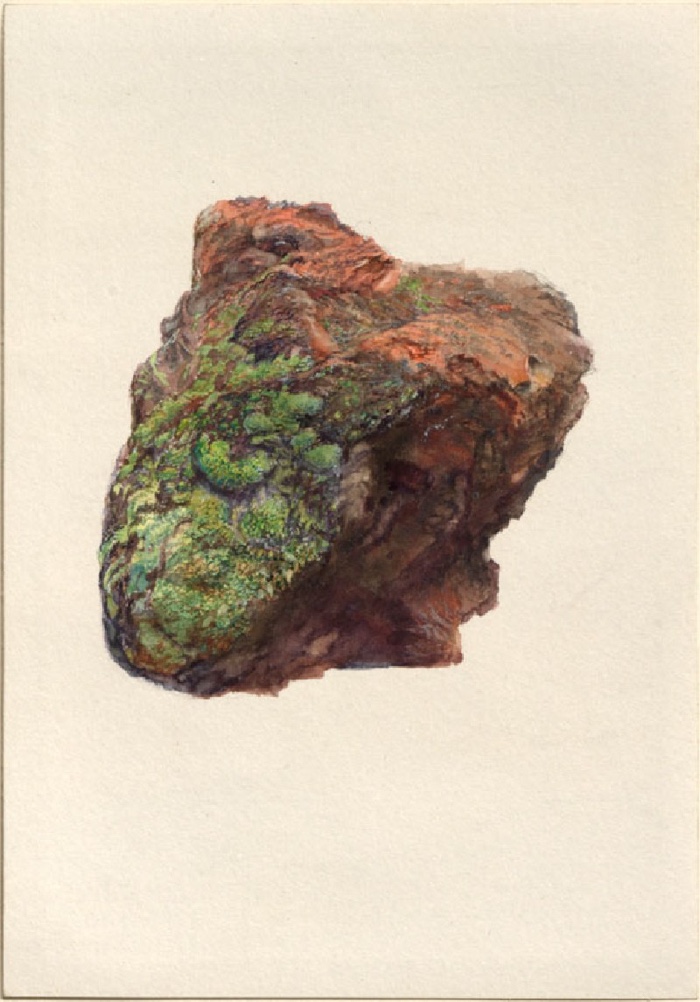
John Ruskin, study of lichen on a piece of brick, ca. 1871
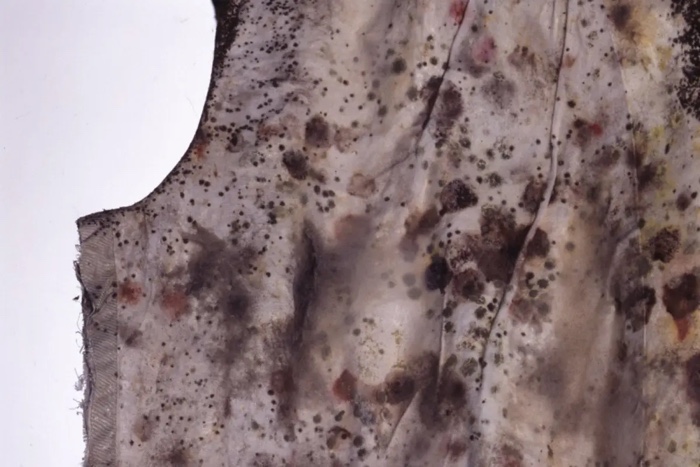
Martin Margiela, garments with microbial growth, 9/4/1615 exhibition, Boijmans van Beuningen museum, Rotterdam, 1997 (Lampoon)
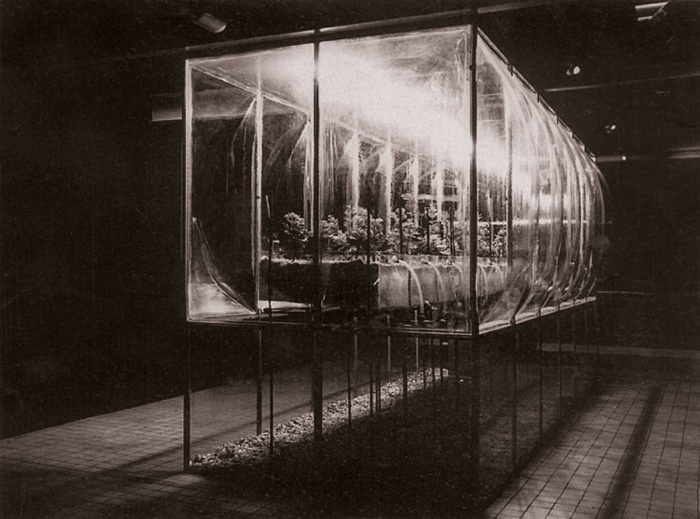
Luis Fernando Benedit, Biotron, installation view, 35th Venice Biennale, 1970
Related story: Triennale di Milano: what fatberg, compost and soil have to do with inequality.
Other books by Colomina: Clip/Stamp/Fold – The Radical Architecture of Little Magazines 196X-197X, X-Ray Architecture, Book review: Domesticity at War, etc.