Once seen as fate or a divine blessing, beauty has now become a pursuit. Something that can be nurtured, chiselled and disciplined. Provided you have a far-reaching bank account, nothing appears to be off limits. You can find new confidence with a beard transplant, get “Amazing New Calves” thanks to injections of cadaver tissue, enjoy a facelift in your 30s, etc. There’s even a reddit sub for people willing to perform their own botox injections.
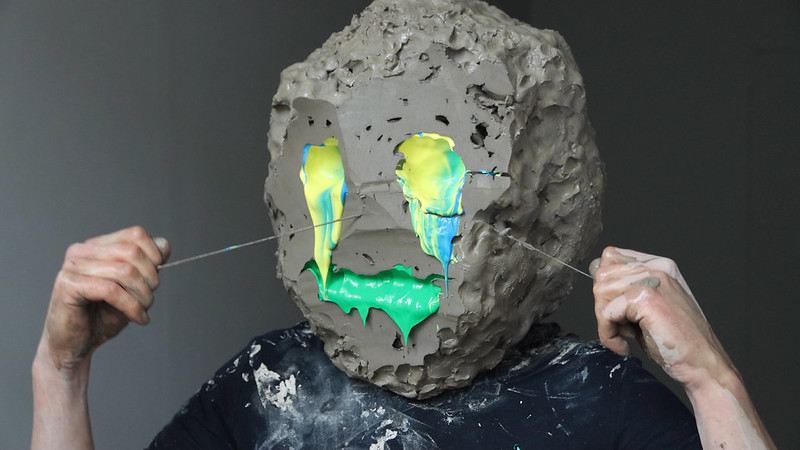
William Cobbing, Will.je.suis, 2020
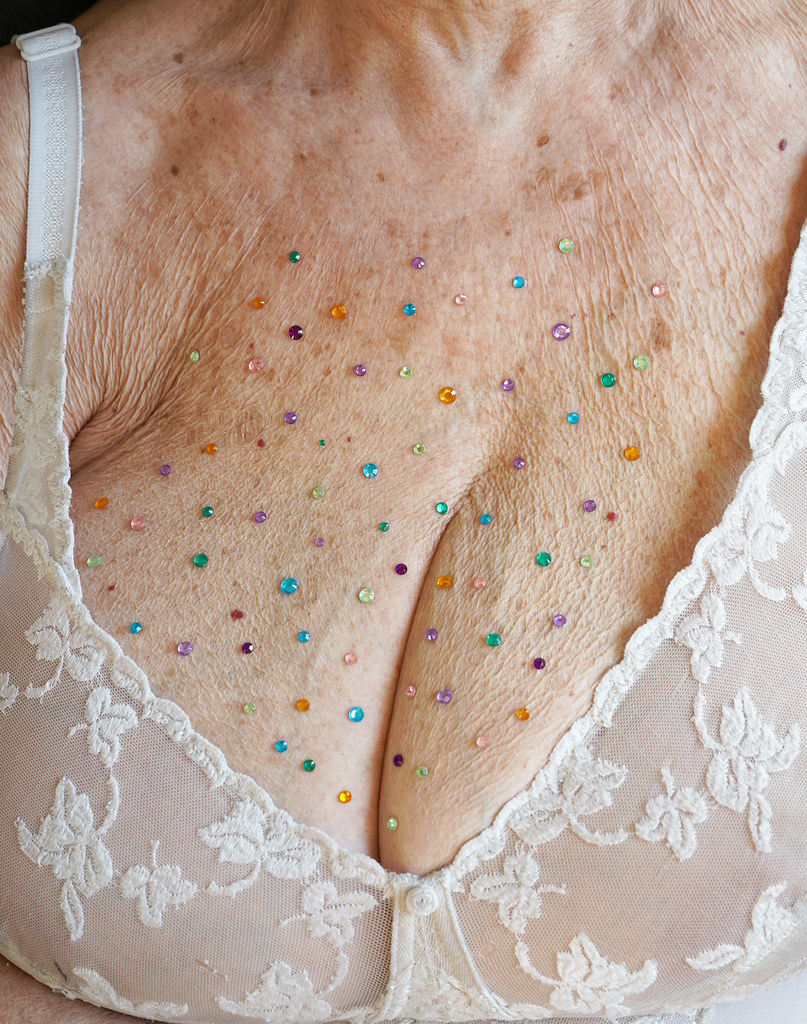
Sandra Lazzarini, Untitled. © Sandra Lazzarini
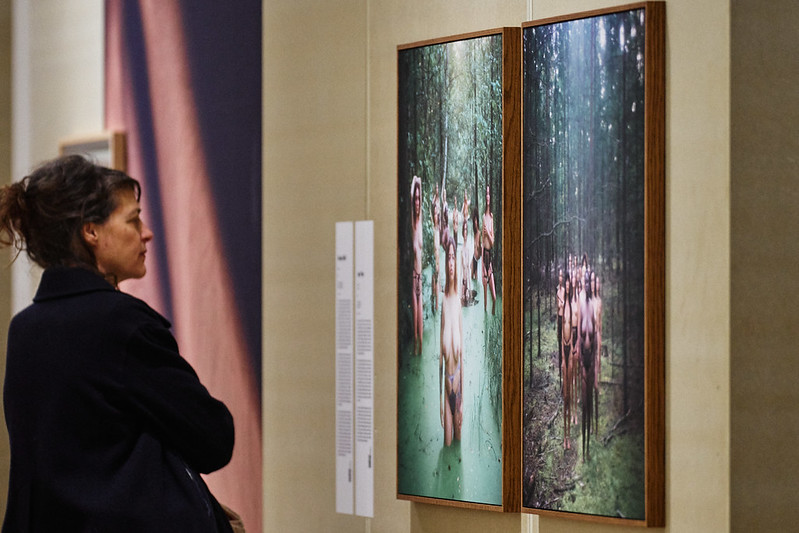
Bozar. Picture-Perfect, exhibition view. Photo by Yannick SAS
Picture Perfect. Beauty through a Contemporary Lens, now on view at BOZAR in Brussels, looks at the dictates, pressures and the little paradoxes of our obsession with visual perfection. Featuring works from the 1960s to today, the exhibition delves into the political, ethical and cultural facets of the ideas and practices surrounding beauty. It examines the consequences of our drive to self-optimise, the role of technology in enforcing standardised ideals and the creativity of the communities and individuals who promote less mainstream forms of being an interesting human being.
Picture Perfect. Beauty through a Contemporary Lens is the perfect show to visit if you want to distract yourself from the horrors of the world today. Here are some of the works that stood out to me:
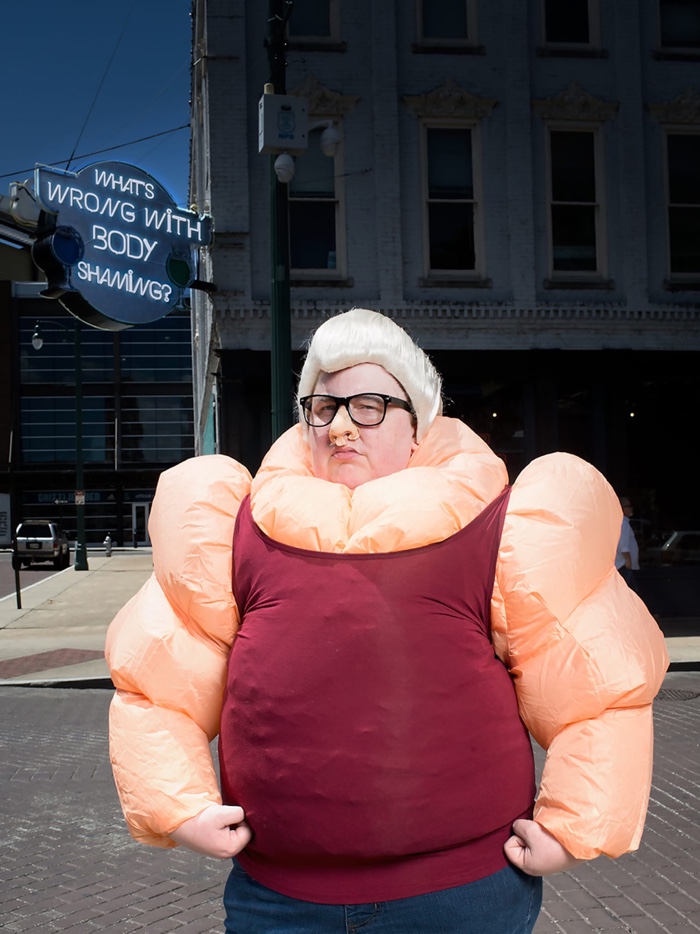
Haley Morris-Cafiero, The Bully Pulpit
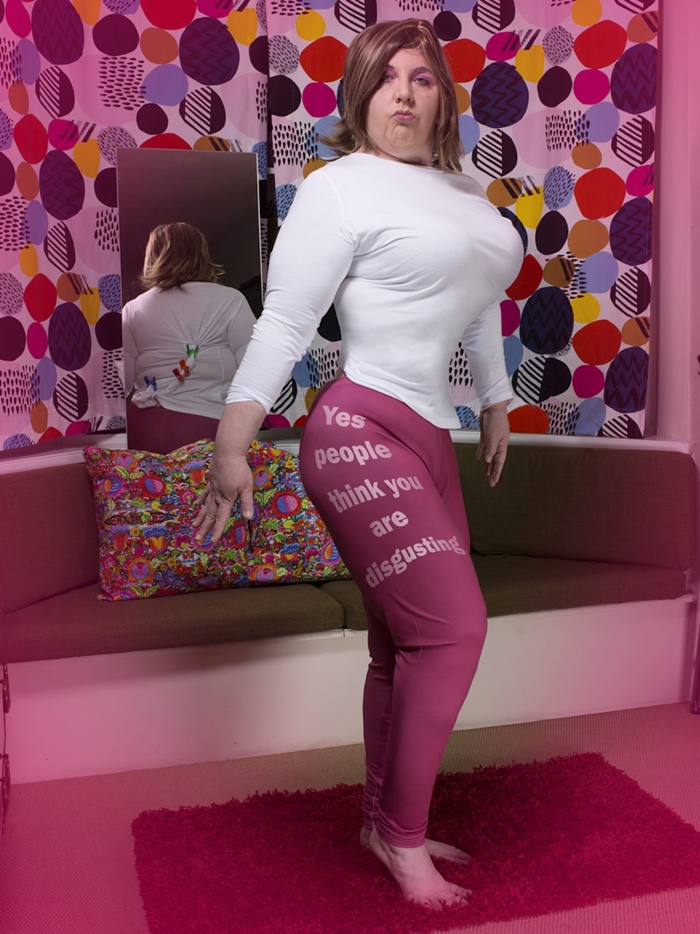
Haley Morris-Cafiero, The Bully Pulpit
The Bully Pulpit is a response to the thousands of abusive emails and social media messages Haley Morris-Cafiero received when she published her series of self-portraits Wait Watchers (2015).
As its name suggests, the series lays bare the social phenomenon of cyberbullying and the supposed anonymity on the internet. The artist looked online for the photos of the people who had mocked her appearance, recreating their images with wigs, clothing and simple prosthetics. Finally, she inserted the bullies’ cruel comments into the photograph, shifting the focus from her body or her art to the behaviour of the bullies themselves. And it works. I’ve read and heard countless accounts of fat-shaming but none has ever hit me as hard as Morris-Cafiero’s exposé.
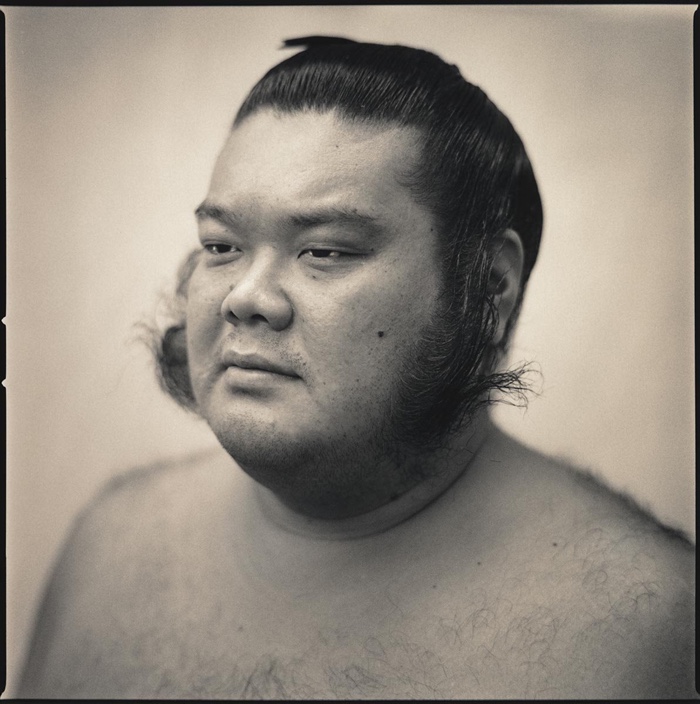
Hiroshi Watanabe, Touki. From Rikishi series
Now, when you’re a Japanese sumo wrestlers, being big only attracts appraising glances. Hiroshi Watanabe‘s photo series captures rikishi. In Japanese, the word means “strong man” or “powerful warrior” and usually refers to professional sumo athletes. Because of their size and the strength that this imposing physique symbolises, the top-ranked sumo wrestlers are often regarded as sex symbols and the epitome of male perfection.
Laure Cottin Stefanelli, Double You Double You, 2019
Jennifer Teuwen is a Belgian professional bodybuilder, champion in the category of “Women’s Physics” which celebrates highly muscular women. In her video, Laure Cottin Stefanelli explores the athlete’s body in great details. Teuwen has achieved her idea body. Sculpted to the extreme, this body has received medals but, for many of us, it is the kind of body that puzzles and causes discomfort. It does not correspond to conventional ideals of feminine beauty.
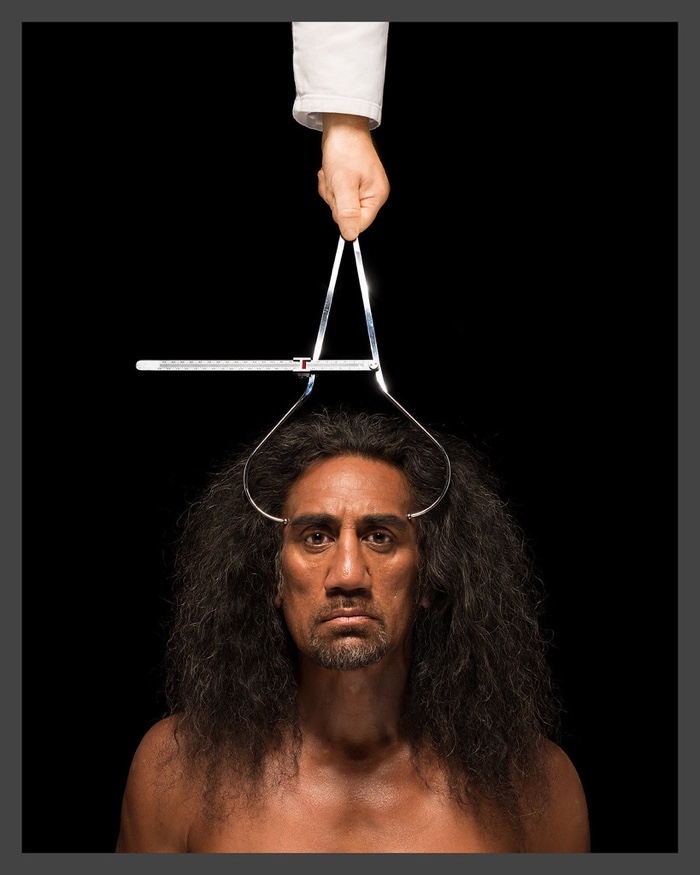
Yuki Kihara, Head with Pelvimeter, 2015. Courtesy the artist and Milford Galleries, Aotearoa New Zealand
Beauty also has political dimensions, often rooted in history. The five works from Yuki Kihara’s series A Study of a Samoan Savage show a manifestation of the Pacific demi-god Maui (performed by the Samoan artist Ioane Ioane) being examined. The instruments used to probe his shapes and proportions evoke the colonial use of anthropometry. The pseudo-scientific practice assessed non-white peoples in order to create racial hierarchies based on body shape and skin colour. Early anthropologists used anthropometry and photography to collect biased data about ‘body types’, which they then employed to propound racist theories.
A Study of a Samoan Savage reuses a historical method of cultural categorisation to reverse the colonial gaze and dismiss the objectification of the Pacific body.
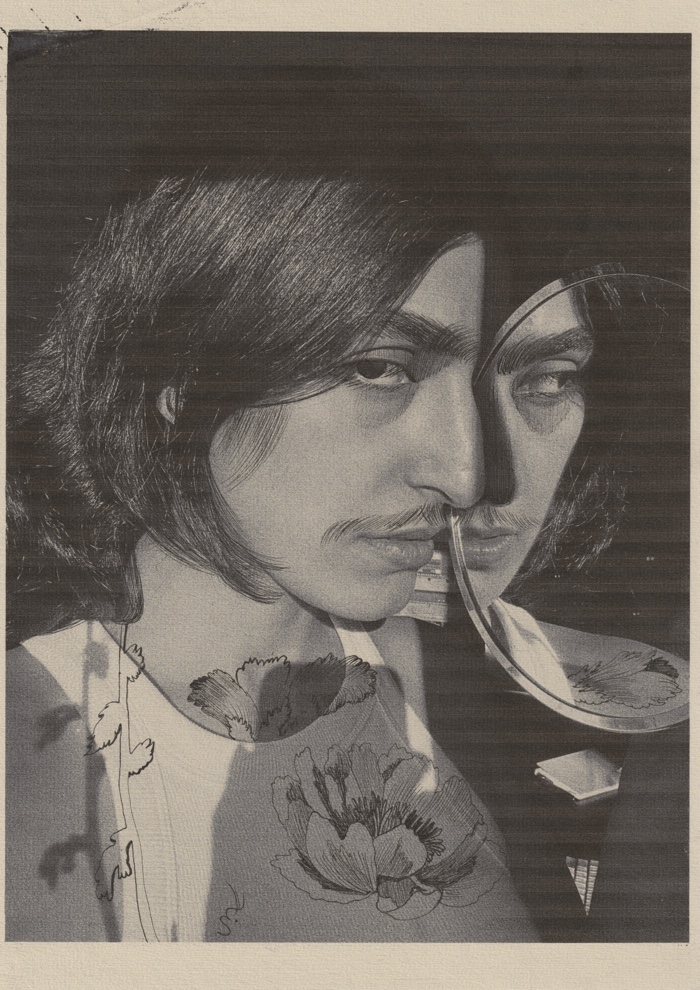
Moshtari Hilal, Soft Touch
Moshtari Hilal’s self-portrait Soft Touch questions not only society’s acceptance of body hair but unveils the marginalisation that people from other cultural and geographical backgrounds suffer based on their appearance.
Sarah Amrani, Terror of Beauty
Sarah Amrani’s Terror of Beauty looks at Anaface, an online facial beauty “calculator” that rates your beauty based on western principles of harmonious proportions and then offers you a roadmap for cosmetic surgery. The artist then examines beauty influencers’s videos that normalise cosmetic procedures such as fillers, lasers, botox or even surgery.
With this work, Sarah Amrani explores the rise of an artificial beauty that quietly wipes out the unique character of a face and turns it into battleground in the pursuit of western beauty perfection. In her videos, a hijab frames the face, simultaneously highlighting the standardisation of beauty and subverting the negative stereotypes Western societies often attach to the headscarf.
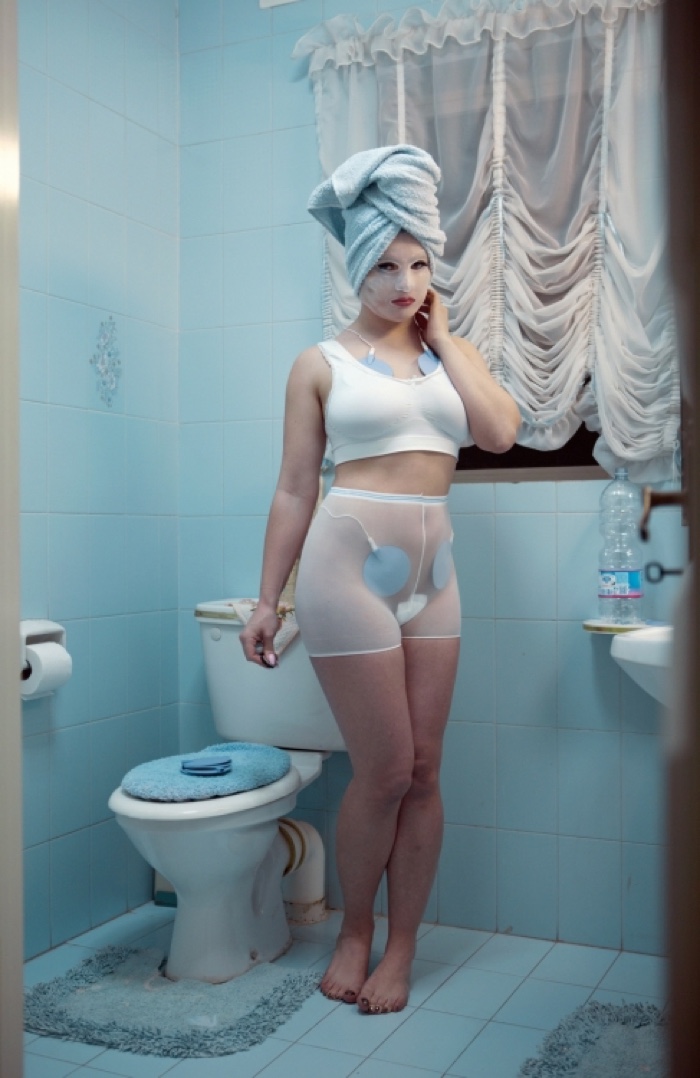
Juno Calypso, Slendertone I, 2015. From the series The Honeymoon
Juno Calypso found a picture of the bathrooms of a honeymoon retreat In Pennsylvania. Pink, kitsch with an air of 1960s gothic nightmare, the hotel seemed to her to be the perfect setting for the frustrated housewife of her imagination. Calypso spent one week inside one of the rooms of this retro hotel room, portraying the lonely days and night of Joyce, her alter-ego. The self-portrait above shows Joyce during her nightly beauty routine. The young woman wears a collection of beauty gadgets, some techier than others. Ten years have passed since that photo shoot. Today, Joyce would probably add even more gadgets to her arsenal: an LED helmet for hair growth, another LED mask for the hands and one for the neck, one of those “shapewear” fabrics that promises to make your double chin disappear, etc. The quest to improve one’s appearance is unstoppable.
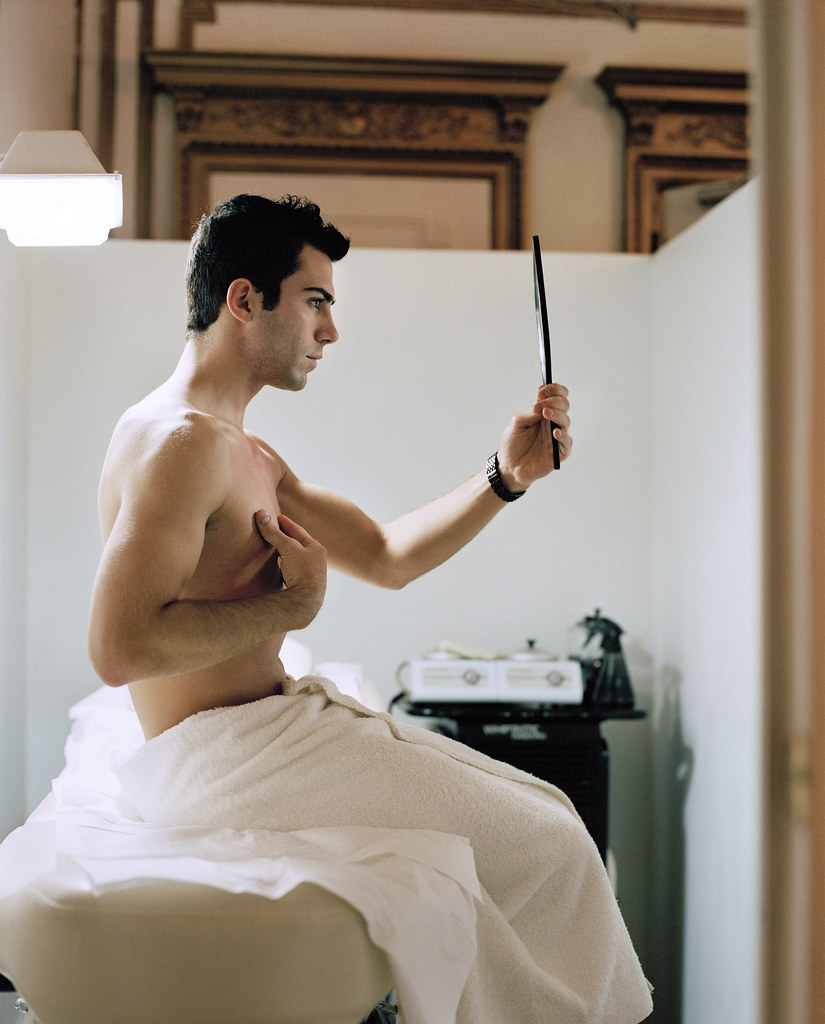
Christopher, 22. Chest wax. J. Sister’s salon. New York, USA. From the series ‘Love Me’ by Zed Nelson
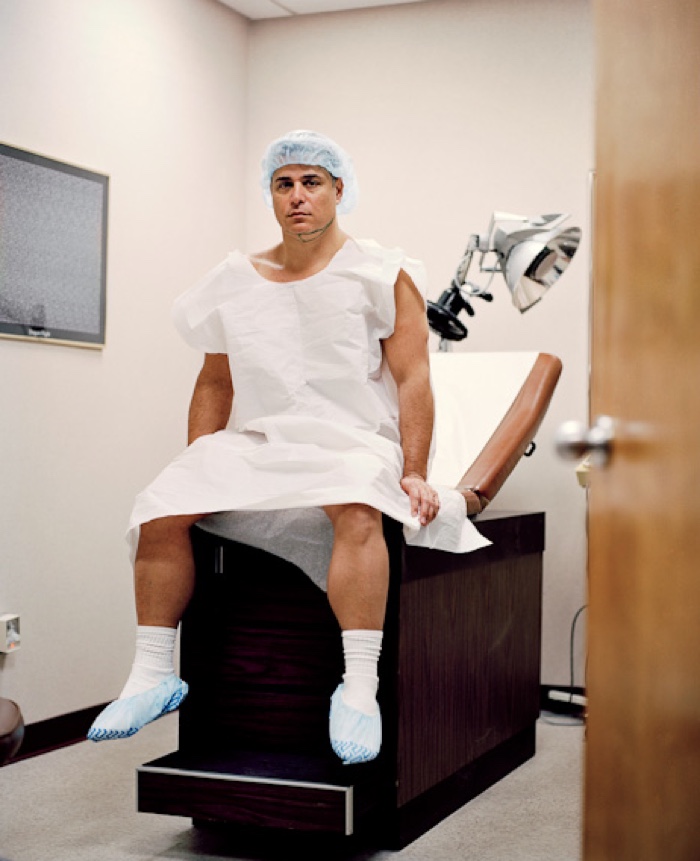
Anthony Mascolo, 46. Liposuction to chin and abdomen. New Jersey, USA. “I’m competing with men 20 years younger than me.” From the series ‘Love Me’ by Zed Nelson
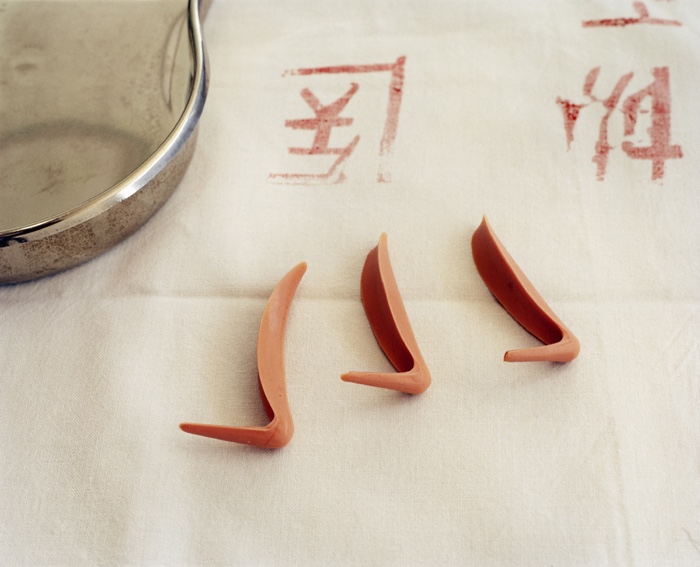
Nose bridge prosthetic implants, to increase size of nose. Beijing, China. From the series ‘Love Me’ by Zed Nelson
The outcome of Zed Nelson’s travels across 17 countries, Love Me investigates the cultural and commercial forces that exports an increasingly narrow Western beauty ideal and breeds collective insecurity, vanity and fear of ageing.
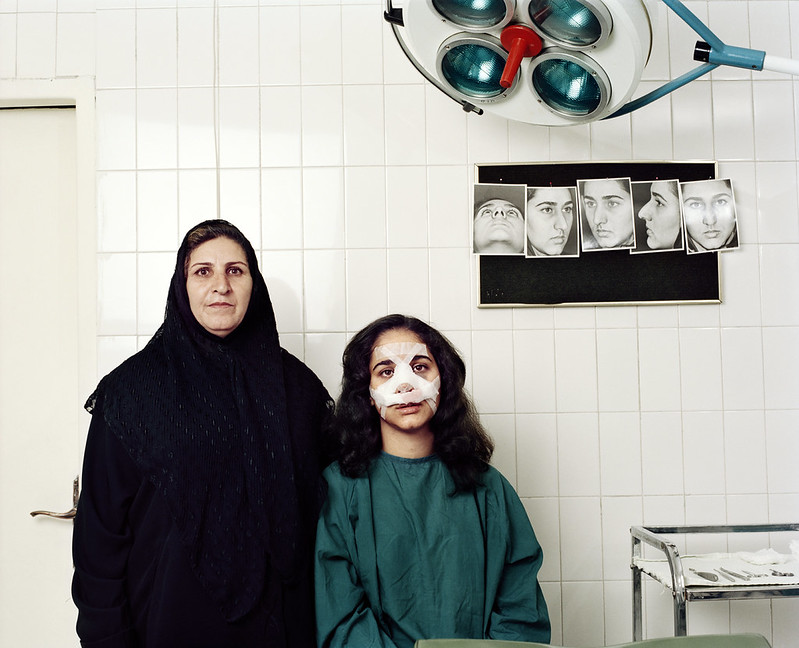
Elham, 19, and her mother, 55. Rhinoplasty ‘nose job’ operation. Tehran, Iran. From the series ‘Love Me’ by Zed Nelson
For more than 20 years strict social rules have required modest dress and covered hair. Laws forbid women to publicly sing, dance, or wear make-up. There are reportedly more nose jobs being performed in Iran than in any other country in the world.
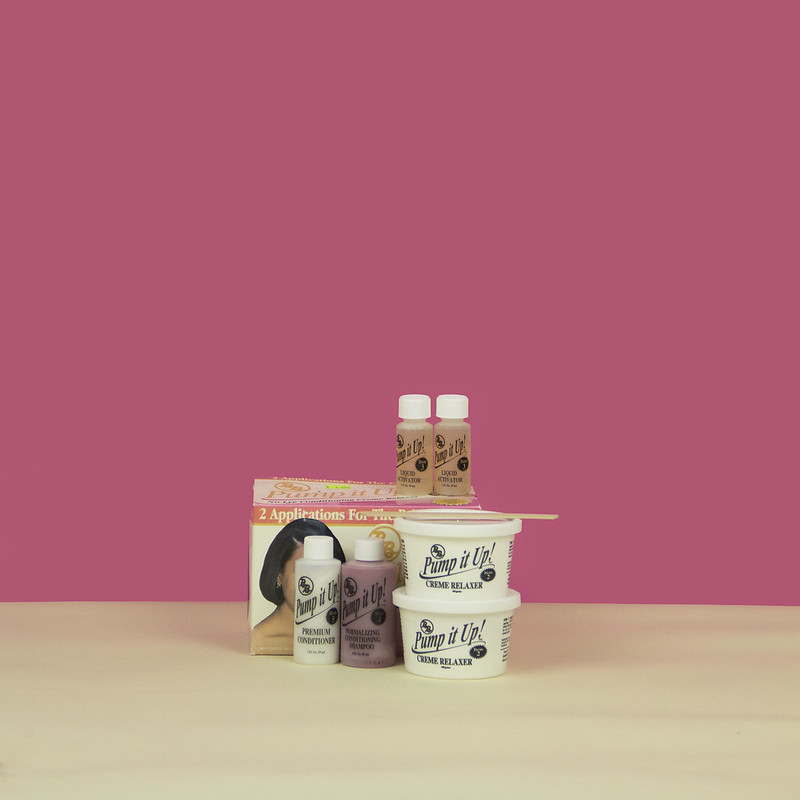
Nakeya Brown, Atone with Nature. From the series Façade Objects, 2015. Courtesy the artist and greengrassi, London
In her photos of potions and masks from the 70s, Nakeya Brown mixes the still life of the painterly tradition with the art of displaying objects in shop windows or at hairdressers salon. The products, found in second hand shops, are hair relaxers marketed for black women to emulate straight hair.
The artist obscured the models’ faces imprinted on the boxes using the content of the kit. Her work is less a critique of the white-centric beauty standards than an effort to archive and reflect on a lineage of Black beauty rituals that are shared throughout the diaspora.
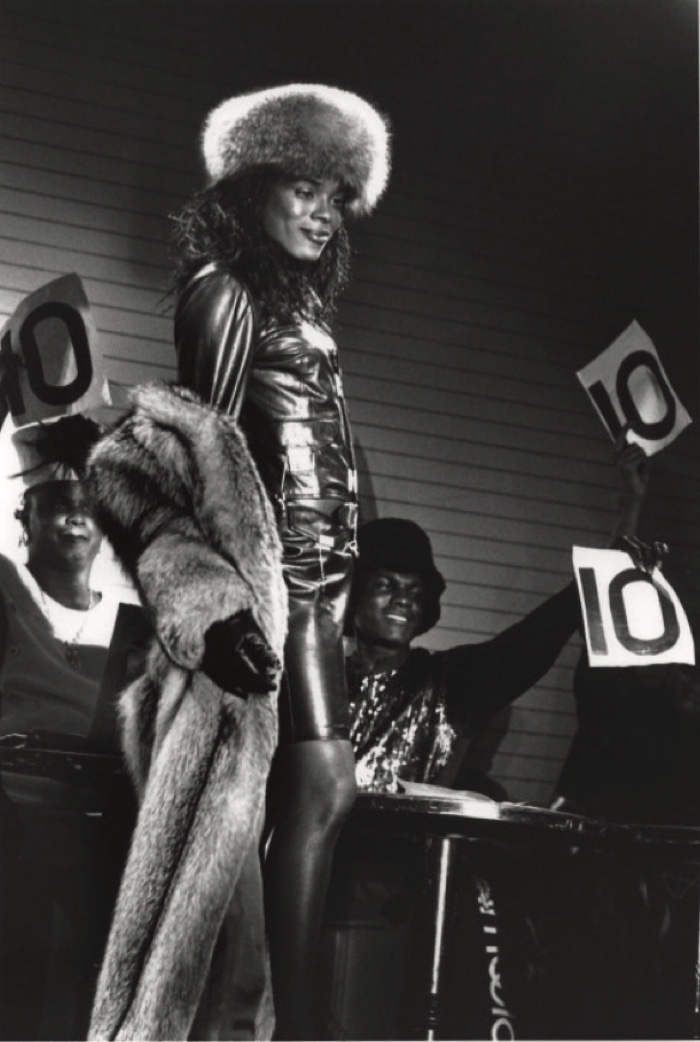
Chantal Regnault, Tina Montana walks at the Avis Pendavis Ball in the fem queen realness category, 1990
Between 1989 and 1992, Chantal Regnault captured the New York underground subculture of the Harlem House drag Balls and Voguing scene. Although beauty pageant featuring participants in drag were organised by the queer community over the course of the 20th century, participants of colour were facing discrimination, as they didn’t conform with white beauty ideas. From the 80s onwards, black and brown LGBTQ+ people started organising their own Balls where they subverted the codes of heteronormativity, beauty and fashion.
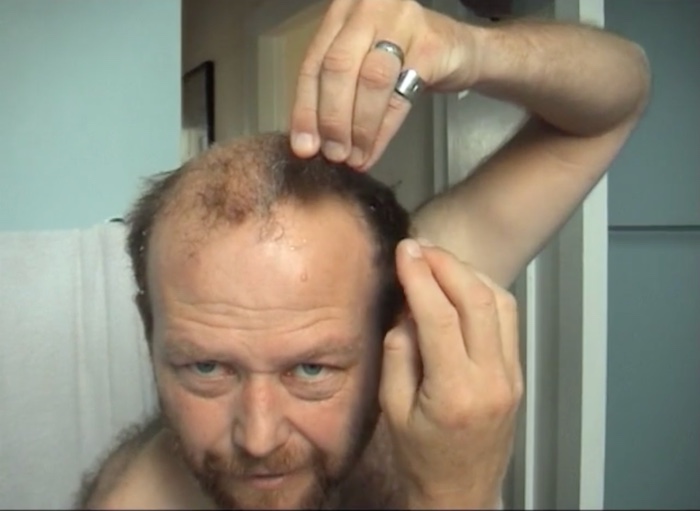
Bryce Galloway, Untitled (Hair Transposal Video), 2011
Fortunately, there’s also humour to be found in our bottomless vanity.
Using the camera as a mirror, Bryce Galloway cuts his own chest hair and glues them to his head in an attempt to disguise his male pattern baldness. It’s both funny and tragic. The result of the “transposal” is fairly convincing though. More than old-fashioned “hair systems” anyway.
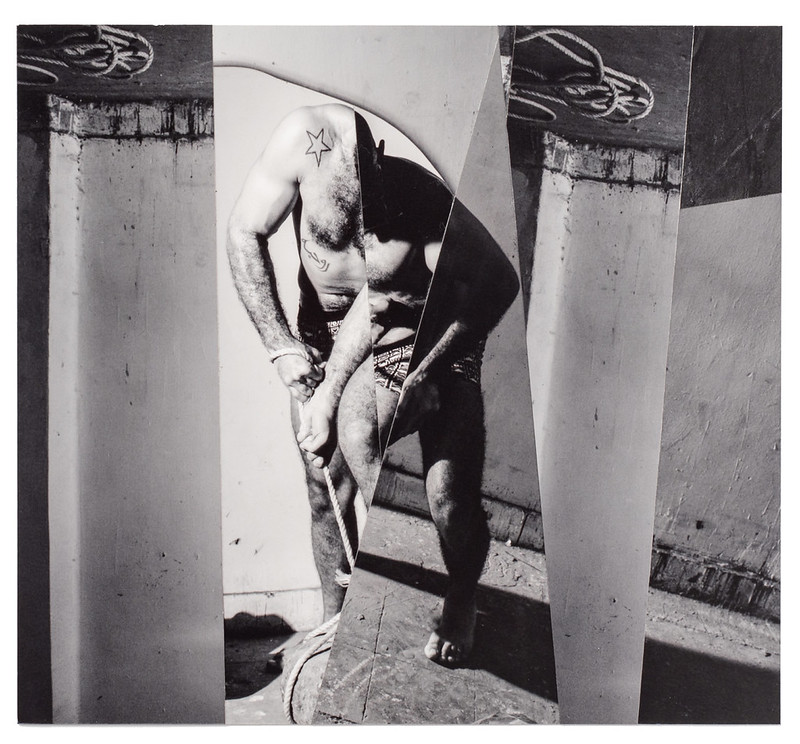
Ibrahim Ahmed, Figure # 31. From You can’t recognize what you don’t know series, 2020-2021. Courtesy of TINTERA
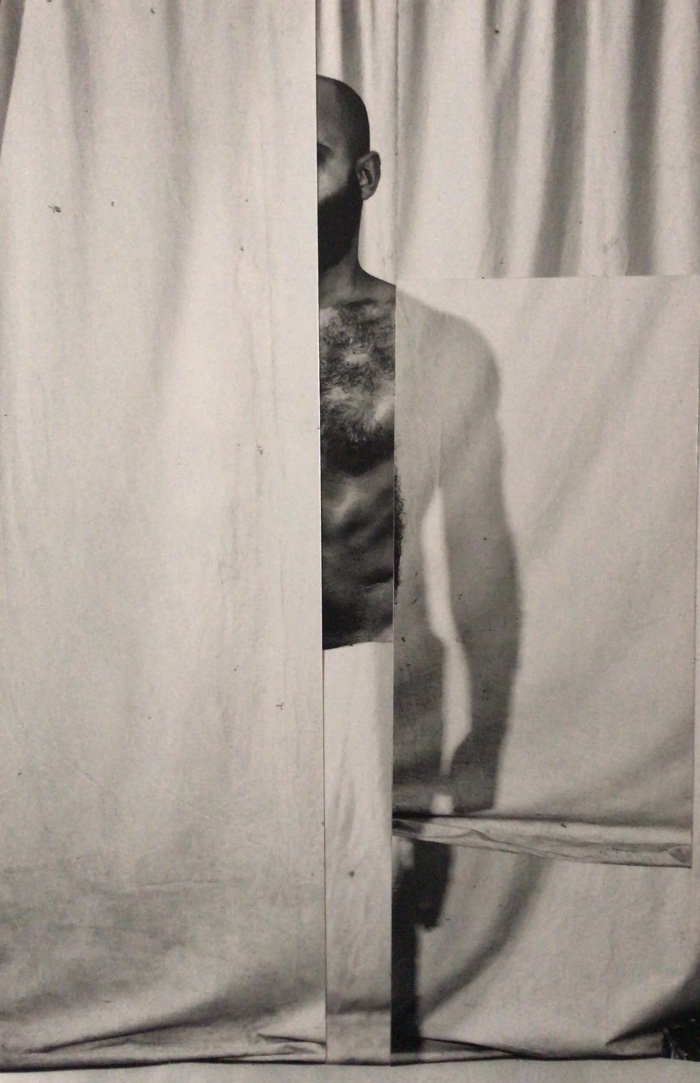
Ibrahim Ahmed, Figure #6, 2020. From You can’t recognize what you don’t know
Ibrahim Ahmed collaged images existing images of body builders and mannequins with images documenting his own performance as he was trying to reproduce pharaonic and Greco-roman statues. The series questions the normalised masculinity of this hyper-virility.
“The idea is not about me as an individual,” the artist told Aperture. “It’s about the individual as representative of this performance of masculinity.” Understanding notions of “Arab masculinity” as inextricable from global patriarchy, Ahmed explains that his work invests in breaking down entrenched mythologies surrounding manhood: “the psychological aspect of it, the grotesque nature of it, and how that is deeply rooted not just in Arab culture, but in cultures around the world.”
William Cobbing, Will.je.suis, 2020
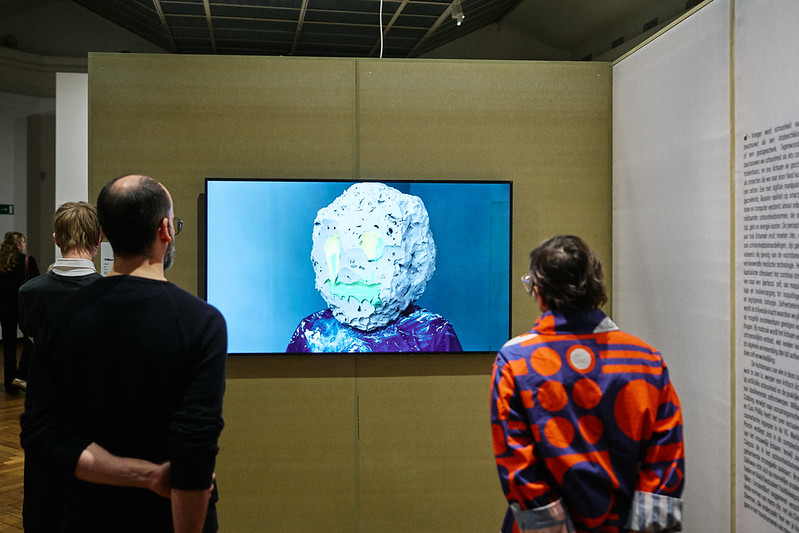
Bozar. Picture-Perfect, exhibition view. Photo by Yannick SAS
William Cobbing’s massive clay head figure uses a wire to cut through its own face. Bursts of colourful paint flows out of each cut revealing eyes, nose and mouth. The figure evokes the Golem of Jewish folklore. The work is irresistible. According to the text on the wall, the work explores the vacuity of self-creation. Does it?
The video is visually irresistible and the tactility of the clay combined with sound of slicing and the intensity of the colour dripping gives it sensory depth.
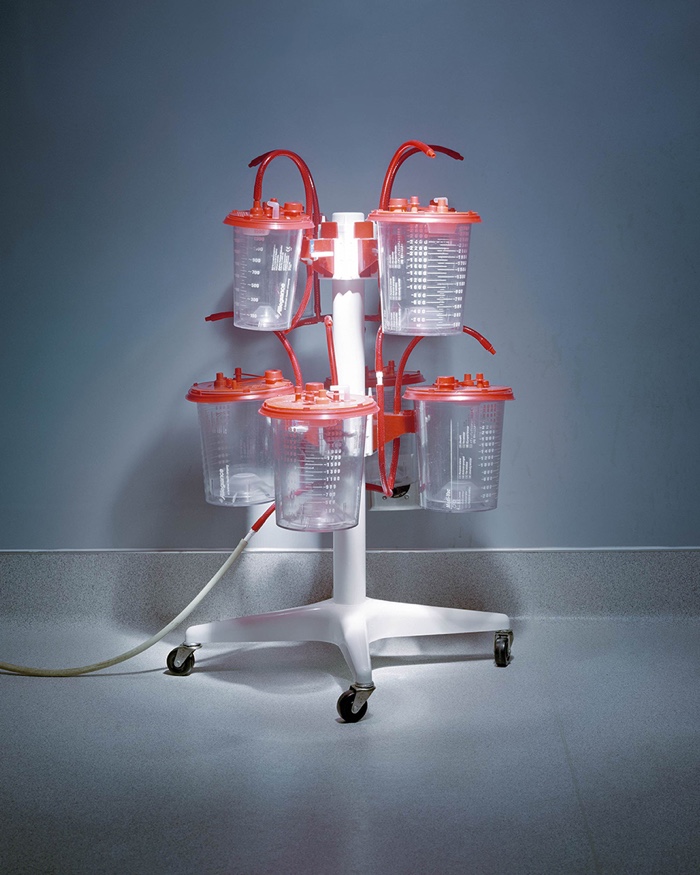
Cara Phillips, Red Liposuction Machine, Orange County, CA. 2007. From the series Singular Beauty“
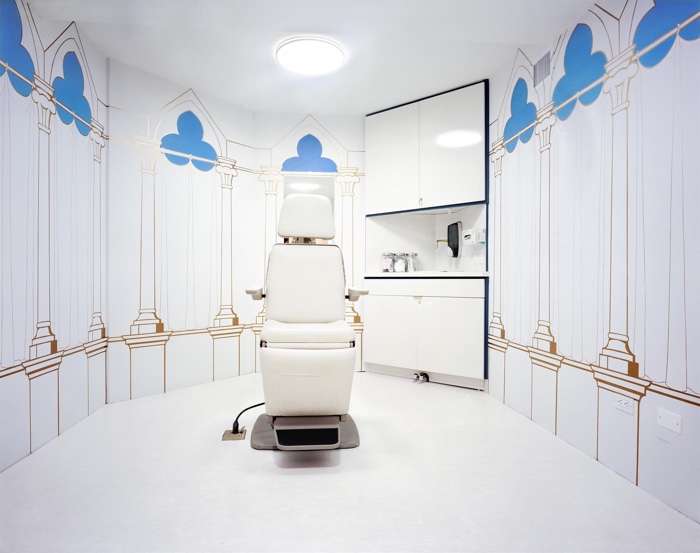
Cara Phillips, White Consultation Room, Upper Eastside, New York City. 2006. From the series Singular Beauty
Cara Phillips’s Singular Beauty portrays the spaces, furniture and instruments found in the most exclusive plastic surgery consulting room.
Devoid of human bodies, the interiors are disturbingly unorganic, brightly lit and yet somehow haunted by the anesthetised brutality involved in invasive beauty procedures.
Eli Cortiñas, The Excitement of Ownership, excerpt, 2019
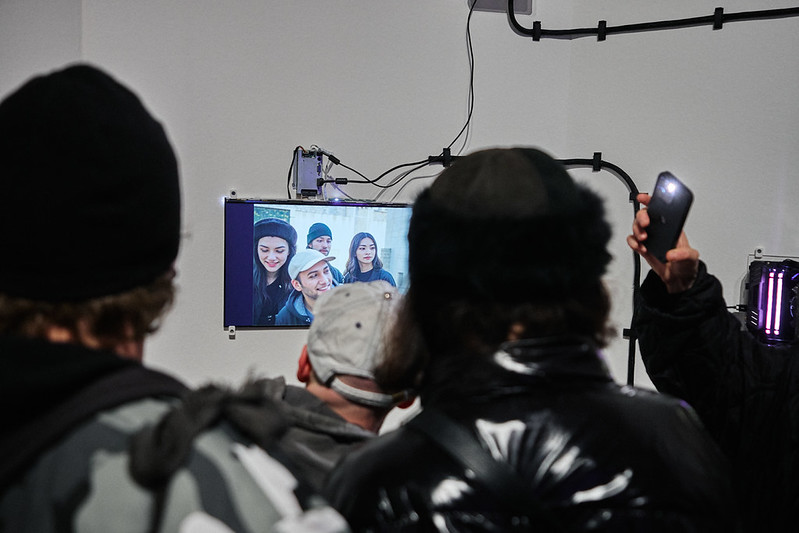
Bozar. Picture-Perfect, exhibition view. Photo by Yannick SAS
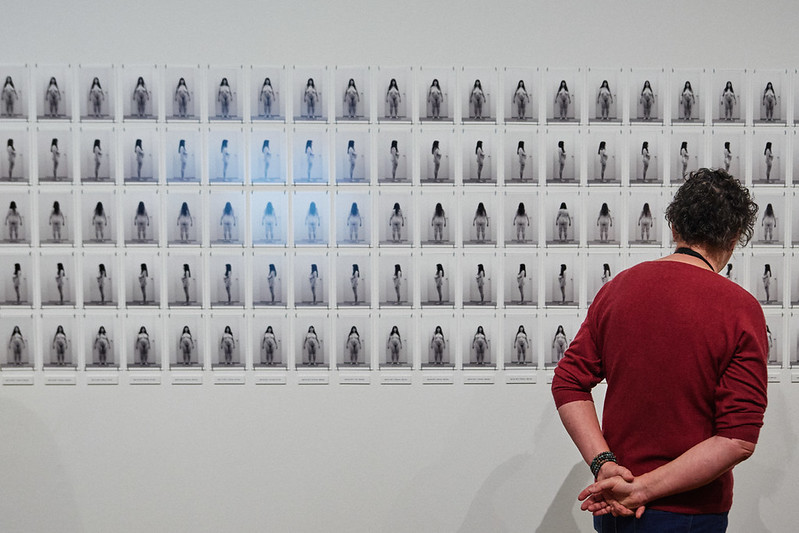
Bozar. Picture-Perfect, exhibition view. Photo by Yannick SAS
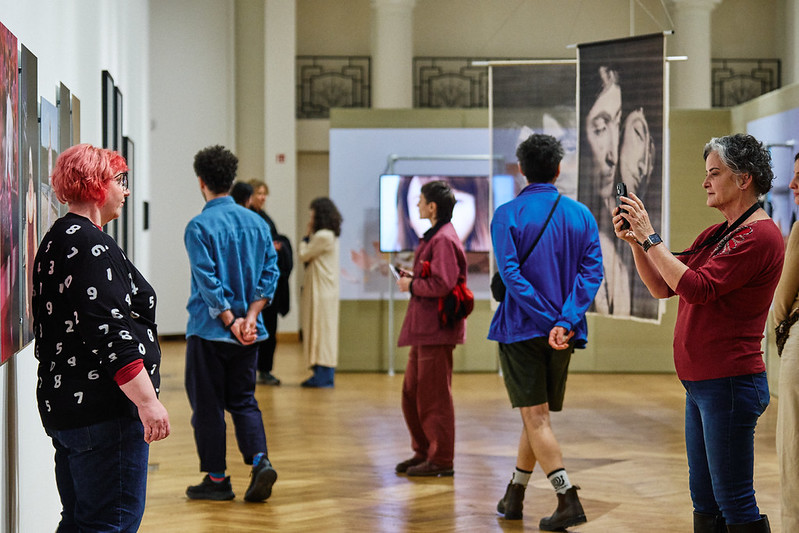
Bozar. Picture-Perfect, exhibition view. Photo by Yannick SAS
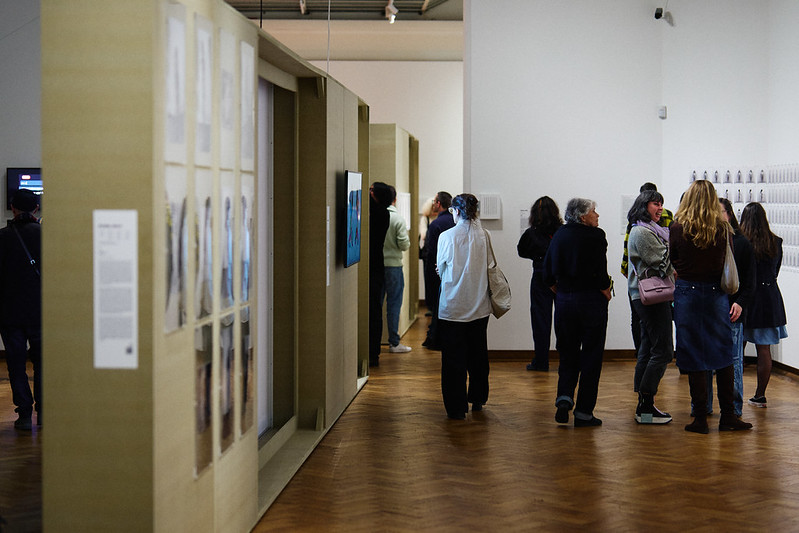
Bozar. Picture-Perfect, exhibition view. Photo by Yannick SAS
Picture Perfect. Beauty through a Contemporary Lens was curated by Christel Tsilibaris. The exhibition is open at BOZAR in Brussels until 16 August 2026.