Finally! Some free time to write a few words about Project a Black Planet: The Art and Culture of Panafrica, a show you absolutely must see if you’re in London or Brussels in the coming months. I caught it just before it closed at MACBA in Barcelona, but it’s set to open at the Barbican Centre next month and will travel to KANAL-Centre Pompidou in spring 2027. The show is so eye-opening, intense and vast that I wish I could experience it all over again.

Edith Dekyndt, OMBRE INDIGENE Part.2, Martinique Island, 2014
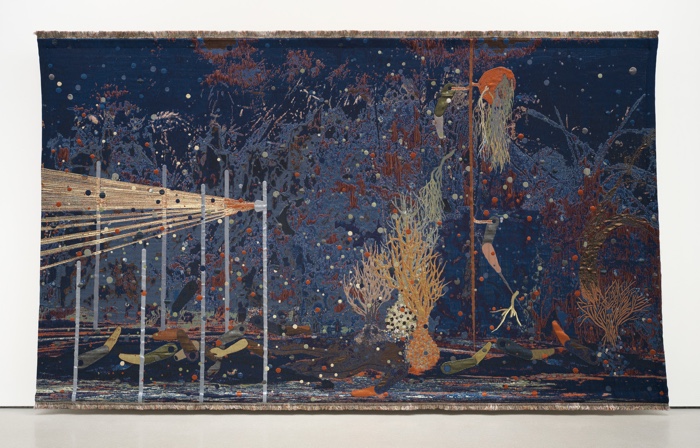
Otobong Nkanga, Tied to the Other Side, 2021
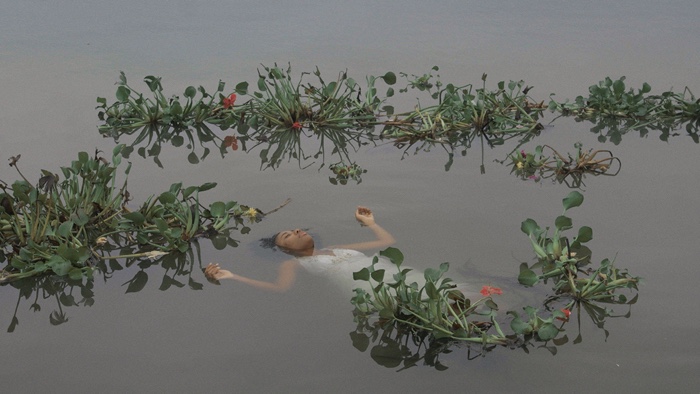
Mónica de Miranda, Path to the Stars (film still), 2022
Pan-Africanism is a school of thought by Black academics, artists, activists and other visionaries who call for equality, freedom and social transformation. To them, Panafrica is a place without a fixed geography, an exercise of solidarity and a space where debates about decolonisation, anti-fascism and freedom converge in pursuit of an emancipatory future. The movement challenges the “colonial library”, a concept introduced by philosopher Valentin-Yves Mudimbe, that refers to the archive of European religious, anthropological and administrative texts that, for centuries, framed Africa as a space devoid of history, an object to be studied, subordinated and “saved”. In response to this patronising view of Africa, intellectuals and artists have developed counter-narratives that dispute the hegemony of European knowledge.
Even though it is united by a shared history of struggles and aspirations, Pan-Africanism is also shaped by tensions, political influences and regional differences. In its historical overview of Pan-Africanism, the exhibition focuses on three prominent 20th-century movements —Garveyism, Négritude and Quilombismo— that offer distinct visions of a Black Planet. While Marcus Garvey‘s vision called for a Black Plane’ running parallel to the Western world, the Négritude movement championed by Aimé Césaire, Léopold Sédar Senghor, Léon-Gontran Damas and other francophone intellectuals and artists of the African diaspora during the 1930s, promoted the value of Black culture within universal civilisation and denounced the racism implicit in European humanism. As for Abdias do Nascimento‘s quilombismo (from the word quilombo, an autonomous community founded by escaped and free slaves in Brazil), it advocated for an anti-colonial worldview rooted in indigenous and dissident knowledge.
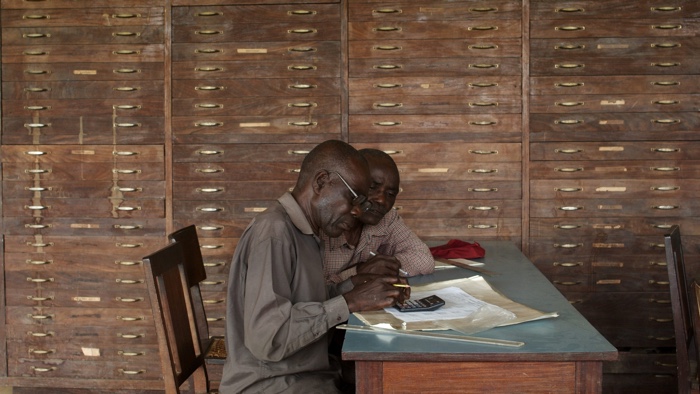
Sammy Baloji, Aequare: the Future that Never Was Art, 2023
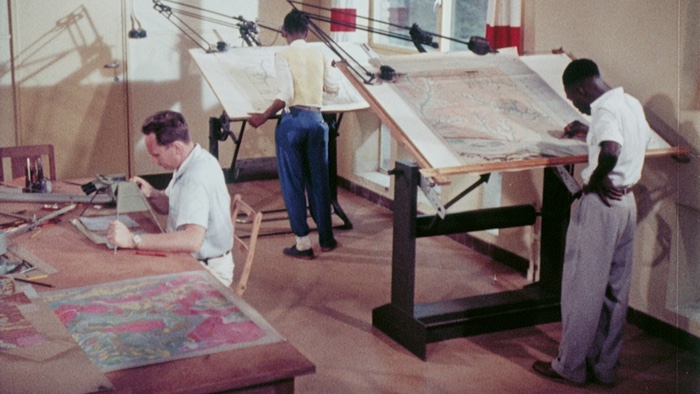
Sammy Baloji, Aequare: the Future that Never Was Art, 2023
There are many reasons to visit Project a Black Planet: The Art and Culture of Panafrica, but I’ll highlight two.
First, the exhibition’s incredible diversity of artifacts. It traces a century of Pan-African influence using both art and ephemera: books, magazines, record albums, newspapers, posters and pamphlets, contextualise the artworks, underlining the crucial role that printed and graphic materials played in the distribution and formation of Pan-Africanism.
Second, the visionary message of Pan-Africanism itself. By advocating for global solidarity, the movement exposes Western foolishness: from democracy and climate change to resource depletion and conflict, our most pressing troubles are inherently global. They demand solutions that transcend our nationalist discourses and boundaries.
Quick overview of some of my favourite works in the exhibition:
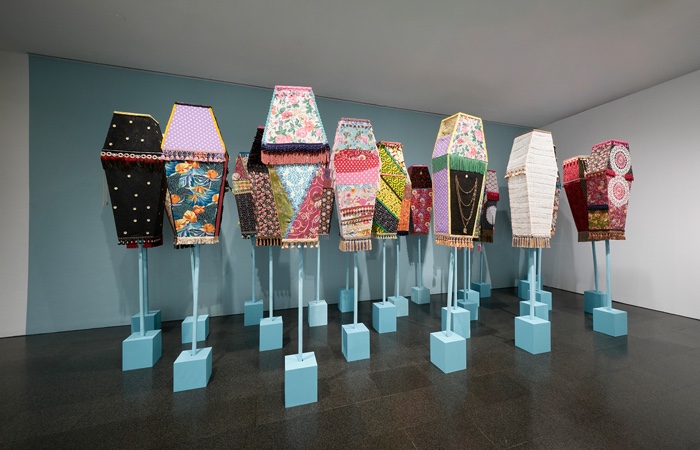
Ebony G. Patterson, Invisible Presence: Bling Memories, 2014. View of the exhibition “Project a Black Planet: The Art and Culture of Panafrica”, 2025. Photo: Miquel Coll
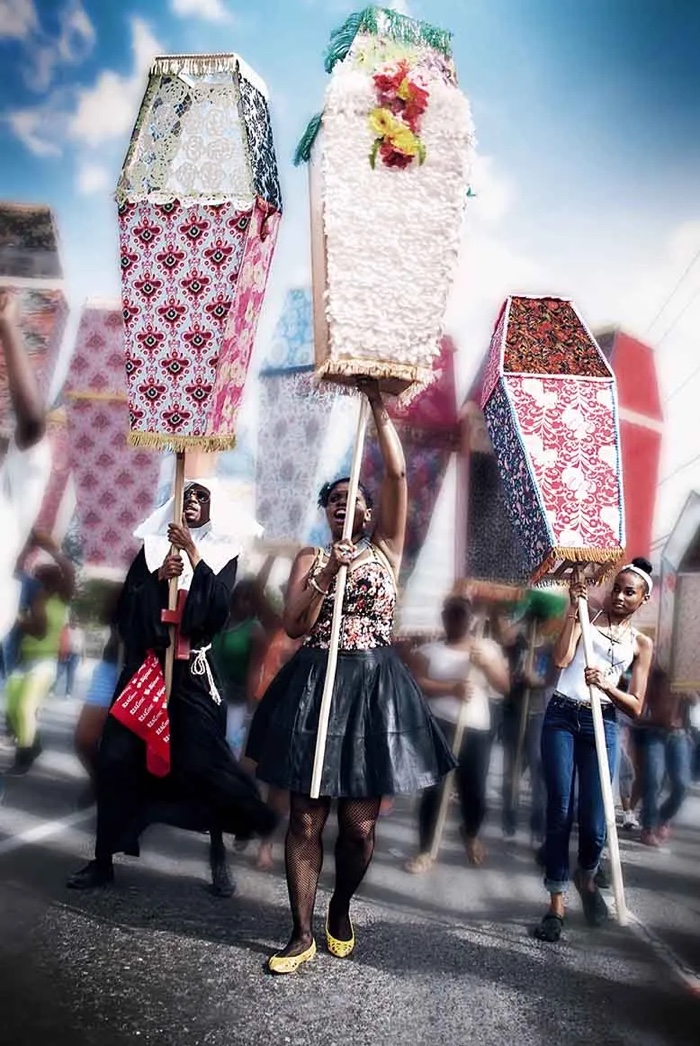
Ebony G. Patterson, Invisible Presence Performance, 2014 (photo)
In Jamaica, a “bling funeral” is a lavish, extravagant ceremony that many poor Jamaicans plan for several years to leave in style an existence that would otherwise remain unnoticed. In 2014, Ebony G. Patterson created 50 splendidly decorated coffins on pedestals to celebrate the lives of working class people and, with the help of art students, she marched the coffins along the streets of Kingston during the Carnival parade. Accompanied by band playing traditional funerary songs, the performance was a joyful way to honour a practice born in communities that are deemed ‘valueless’ due to their socioeconomic circumstances.
Beyond celebration, the work also addressed the harsh realities of social and physical violence in parts of Kingston, offering a poignant contrast to the Carnival’s typically commercial and exclusive atmosphere.
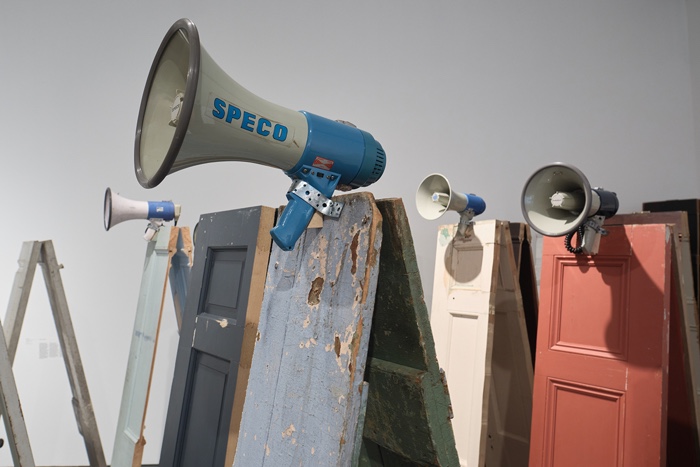
Kader Attia, Asesinos! Asesinos! (Assassins! Assassins!), 2014
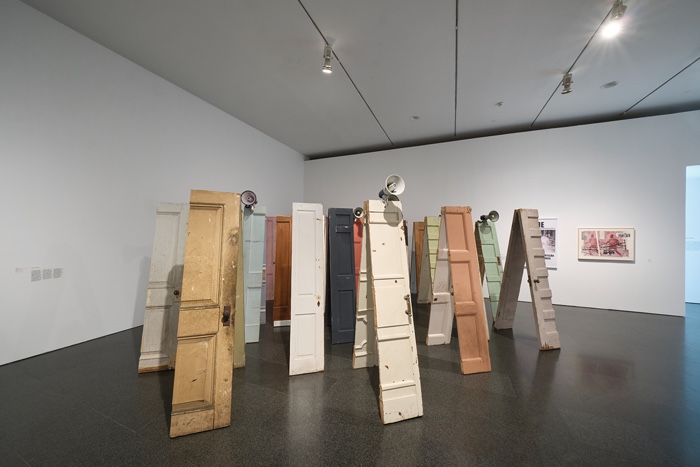
Kader Attia, Asesinos! Asesinos! (Assassins! Assassins!), 2014. View of the exhibition “Project a Black Planet: The Art and Culture of Panafrica”, 2025. Photo: Miquel Coll
Standing in front of the coffins, Kader Attia’s installation Asesinos! Asesinos! (Assassins! Assassins!) evokes another collective humble presence: the political protesters whose voices have been suppressed.
The doors, sawn in half and hinged together into A-frame formations, bear silent megaphones that fail to amplify the crowd’s demands. The title itself is deliberately ambiguous: “Murderers! Murderers!” could be the cry of the people—or Attia’s condemnation of the repression that has silenced them.
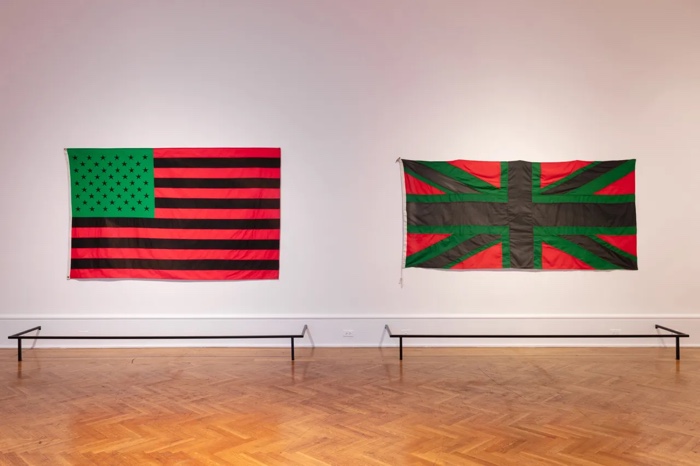
View of “Project a Black Planet: The Art and Culture of Panafrica,” 2024–25, Art Institute of Chicago. From left: David Hammons, African-American Flag, 1990; Chris Ofili, Union Black, 2003. Photo: Joe Tallarico (via)
One of the recurring themes running through the exhibition is the use of collective symbols such as the Pan-African flag—red, black and green—created by Marcus Garvey’s Universal Negro Improvement Association. Red represents the blood of the African diaspora, black the sovereignty of peoples of African descent and green the fertility of the African soil. These flags evoke a globally dispersed people, a community without borders, united by memory and the struggle for self-determination.
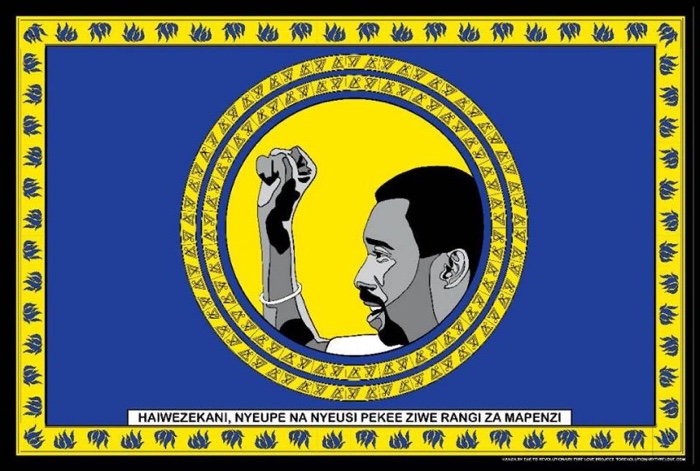
Kawira Mwirichia, “Haiwezikani Nyeupe Na Nyeusi Pekee Ziwe Rangi Za Mapenzi” (Swahili, “Black and white are not the colors of love. They never were.”), ‘To Revolutionary Type Love,’ 2017
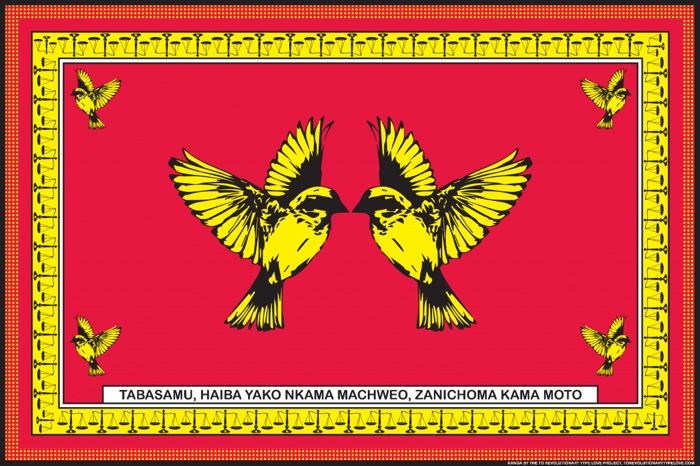
Kawira Mwirichia, “Tabasamu, Haiba Yako Nkama Machweo, Zanichoma Kama Moto.” (Swahili: “Fire, a sunset, your essence – your smile: their beauty scorches right through me all the same.”) ‘To Revolutionary Type Love,’ 2017
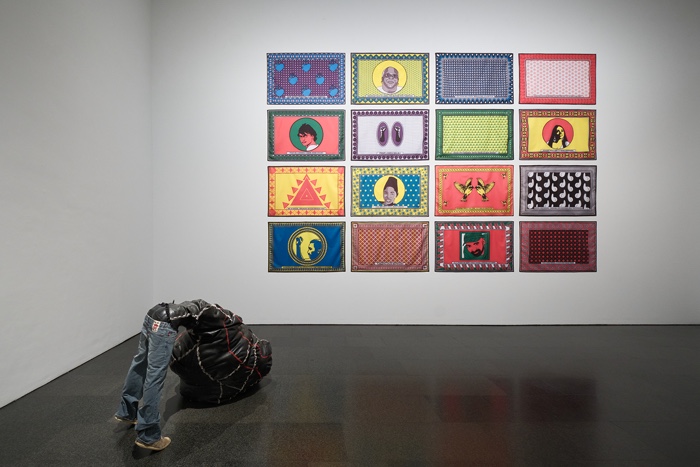
Views of the exhibition “Project a Black Planet: The Art and Culture of Panafrica”, 2025. Photo: Miquel Coll
Pan-africanism defies borders and genders. A number of works in the exhibition extend the call for solidarity to members of the LGBTQ+ community.
Queer artist and activist Kawira Mwirichia made kanga cloths (a Kenyan fabric commonly worn as clothing) to honour queer activists from around the world. In Kenya, kangas often feature in wedding ceremony, the bride and groom step on them and embrace. This gesture of open celebration of love is often denied to members of the LGBTIQ community in many African countries where homosexuality is criminalised. Mwirichia’s work challenges this taboo. Each flag in her series represents a country and its unique queer history, reclaiming the right to love and resist.
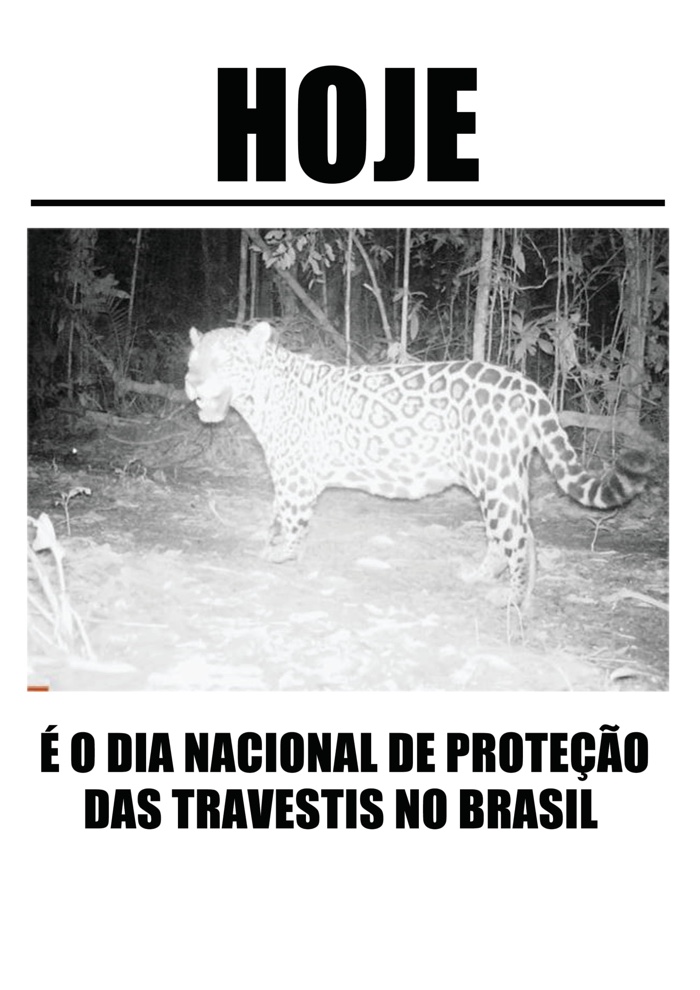
Yná Kabe Rodríguez, Today is National Protection Day for Transgender Women in Brazil, from the series Jaguar Newsletter, 2019, printed 2023
In this poster, Yná Kabe Rodríguez depicts a jaguar as a stand-in for transgender people. Both of these populations are endangered, yet widely and falsely seen as threatening.
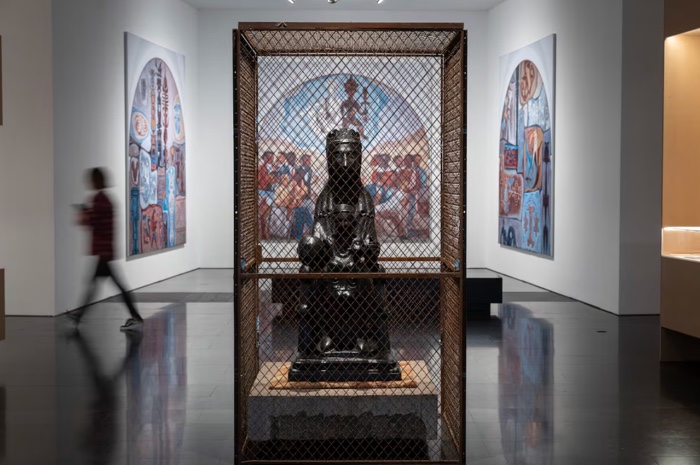
Theaster Gates, Alls my life I has to fight, 2019. Photo: Massimiliano Minocri
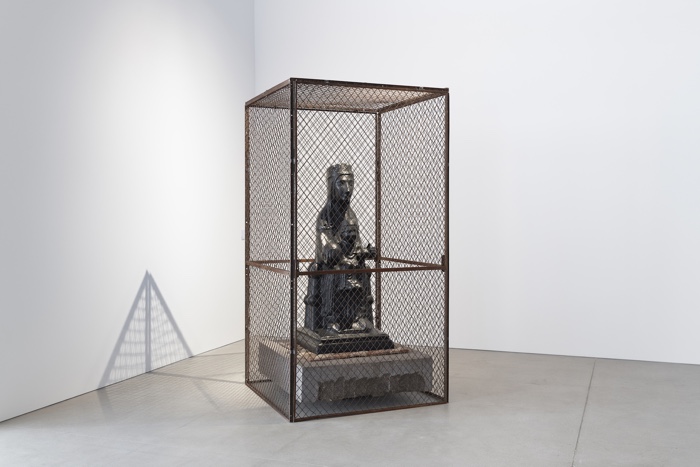
Theaster Gates, Alls my life I has to fight, 2019
“Alls my life I has to fight,” is a Kendrick Lamar’s nod to a line in Alice Walker’s Pulitzer Prize-winning 1982 novel The Color Purple (“All my life I had to fight”). The rapper use of “has” reflects the continuing struggle faced by people of colour and poor communities. Theaster Gates borrowed the line to name the Black Madonna which, together with her child, sits in a metal storage cage in the middle of one of the exhibition rooms. Alls my life I has to fight depicts an imprisoned black mother and child, whose globus cruciger without its cross suggest an authority stripped of its holy power. Most Catalan visitors immediately noticed that the Black Madonna bears an uncanny resemblance to the Virgin of Montserrat.
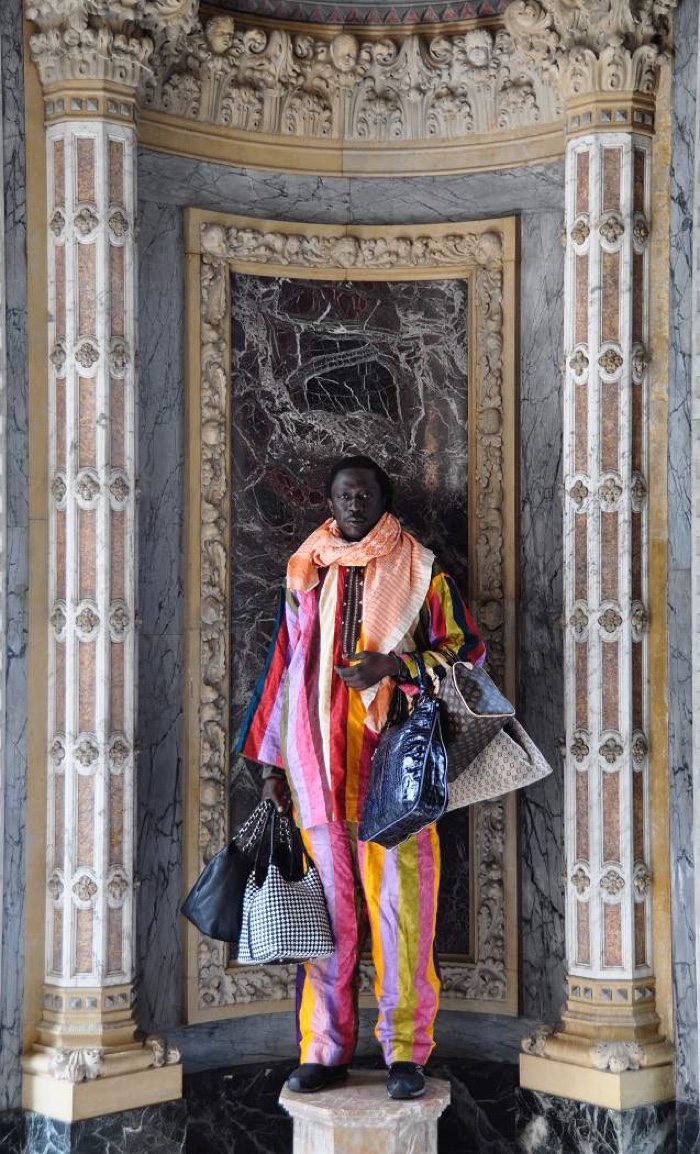
Kiluanji Kia Henda, The Merchant of Venice, 2010. From the series Self-Portrait as a White Man
In Venice, authorities either ignore or harass African migrants selling handbags on the street. Kiluanji Kia Henda’s photo remind us that the city was built using African slave labour. Dressed in traditional African clothing and carrying fake designer handbags, the man photographed in the interior of the Istituto Veneto per le Scienze, Lettere ed Arti, is a Senegalese musician, who, like so many other immigrants, is forced to accept whatever job comes his way just to survive. By placing him on a marble plinth, the artist suggests that black people continue to have a place in the story of the city. The title of the portrait, The Merchant of Venice, pays homage to William Shakespeare’s play set in late sixteenth century Venice.
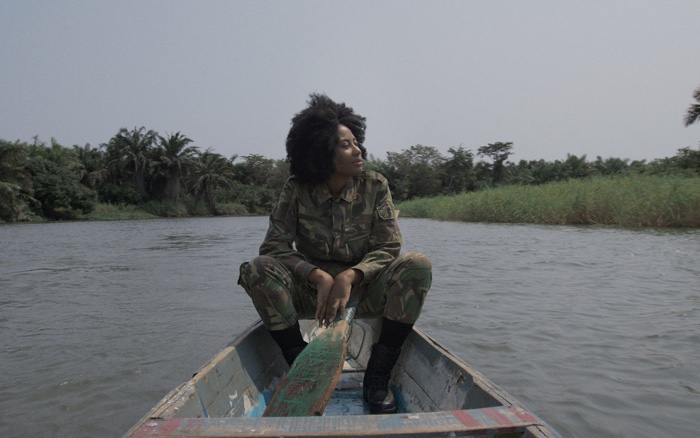
Mónica de Miranda, Path to the Stars (film still), 2022
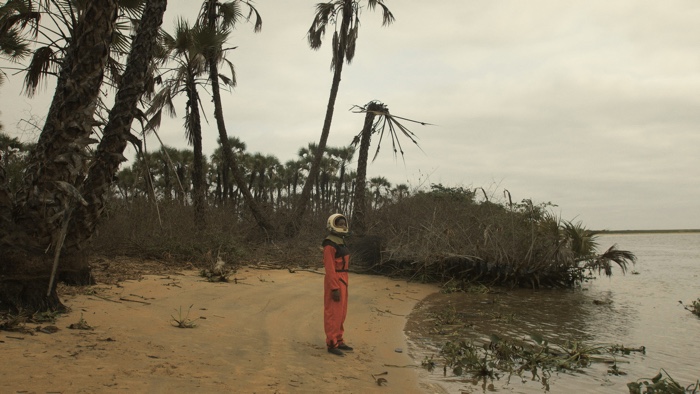
Mónica de Miranda, Path to the Stars (film still), 2022
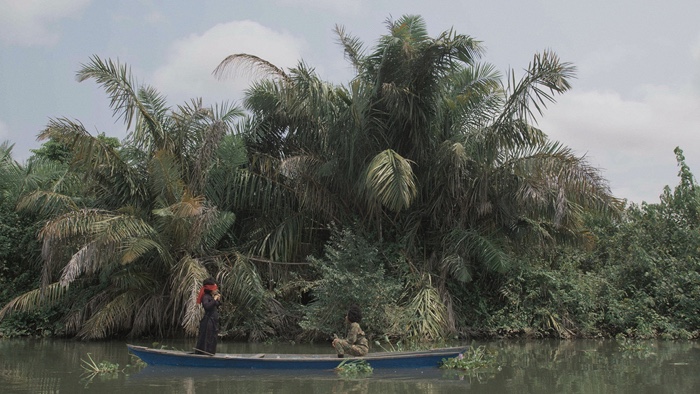
Mónica de Miranda, Path to the Stars (film still), 2022
Mónica de Miranda, Path to the Stars, 2022
O Caminho das Estrelas [Path to the Stars] is a 1953 poem by Agostinho Neto, leader of the anti-colonial movement and first President of Angola following independence from Portugal. Mónica de Miranda’s video revisits the legacy of anti-colonial resistance in Angola, inviting the audience to follow the journey of an ex-combatant of the Angolan War of Independence as she travels by boat past the banks of the Kwanza River, the birthplace of the Kingdom of Ndongo, a point of entry for the Portuguese invasion in 1482 and, as such, a powerful symbol of independence. Angola’s currency Kwanza, is named after the river.
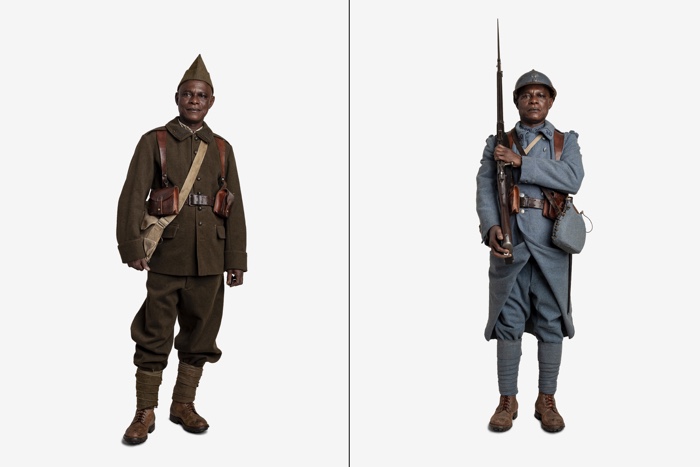
Samuel Fosso, Diptych 1, ALLONZENFANS series, 2013
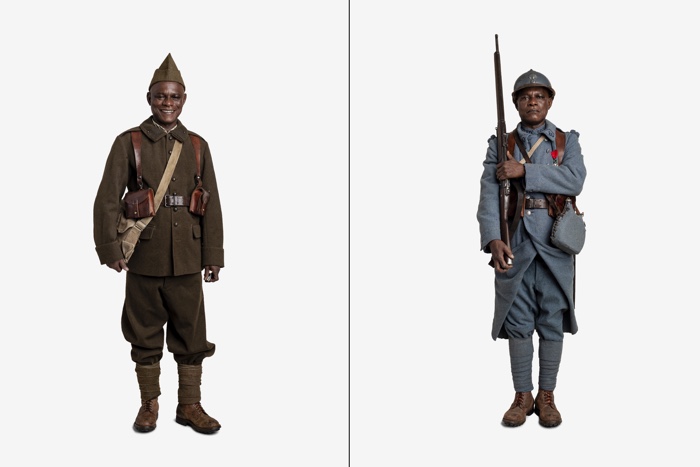
Samuel Fosso, Diptych 2, ALLONZENFANS series, 2013
Samuel Fosso’s Allonzenfans series is a collection of self-portraits, presented as diptychs that pays tribute to the often-forgotten contribution of the African soldiers who fought alongside the French army during the First and Second World Wars.
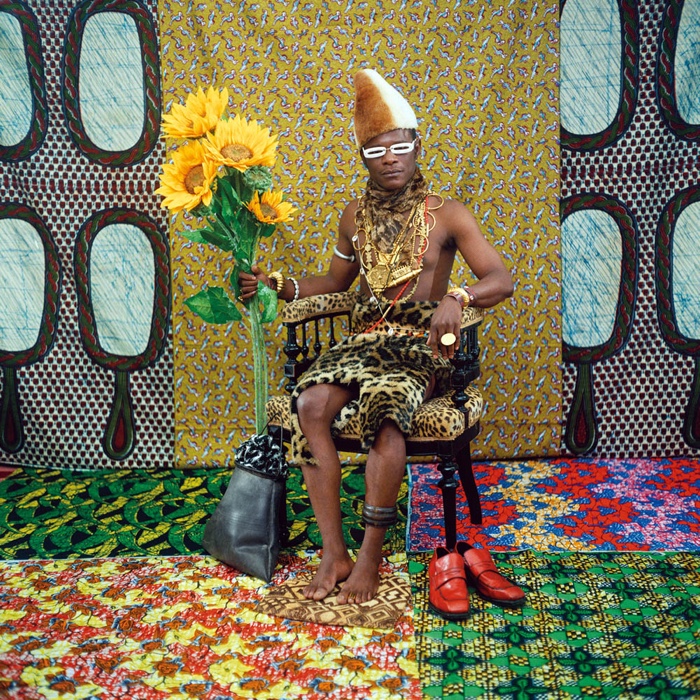
Samuel Fosso, The Chief: He Who Sold Africa to the Colonists, from the series Tati, 1997, print 2008
In each photograph in the Tati series, Samuel Fosso impersonates various figures to explore issues around gender and stereotypes. One of them is The Chief (the one who sold Africa to the colonists) is a self-portrait that interrogates the role of African chiefs in the slave trade.
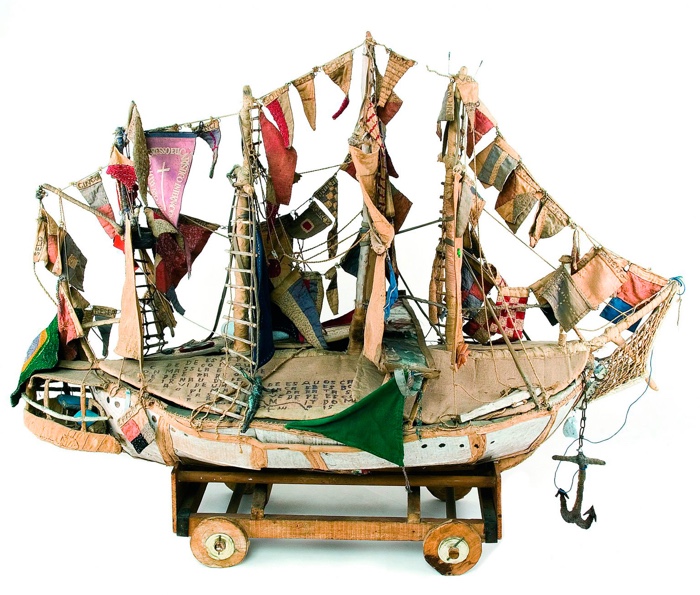
Arthur Bispo do Rosário, Grande Veleiro (attributed), 1970. Museu Bispo do Rosário Arte Contemporânea
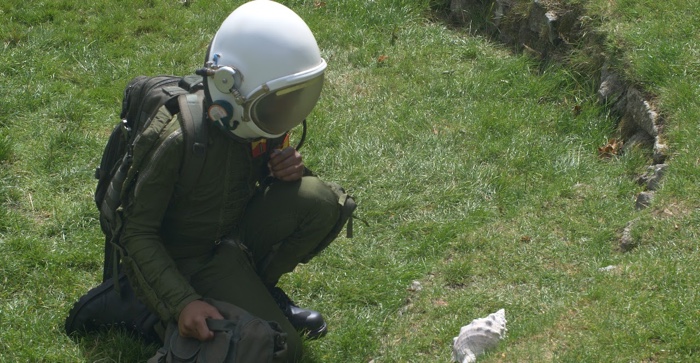
Larry Achiampong. Relic Traveller: Phase 1, 2017
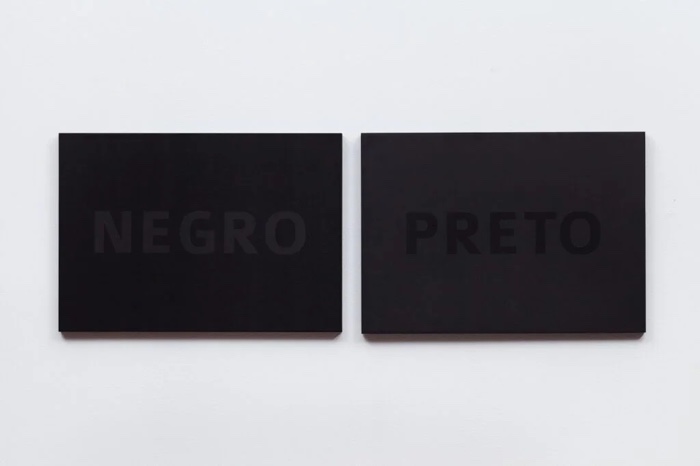
Bruno Baptistelli, Linguagem, 2015
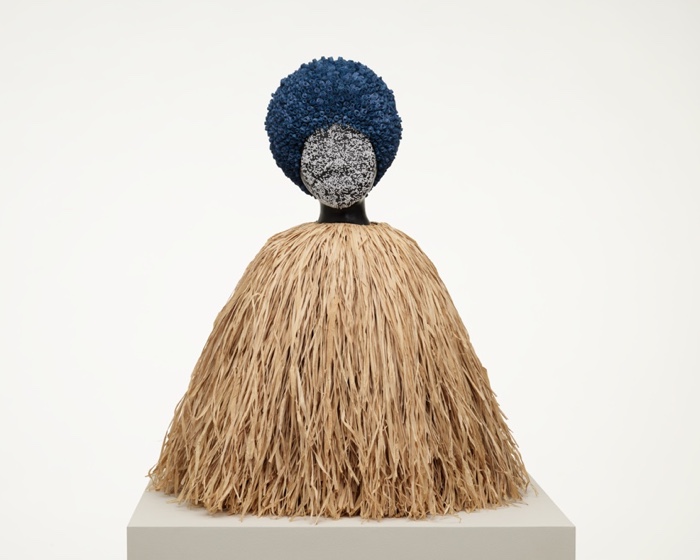
Simone Leigh, Dunham, 2017
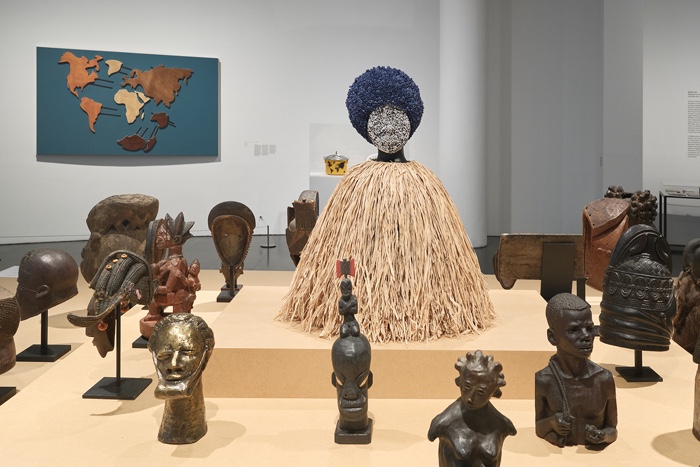
Views of the exhibition “Project a Black Planet: The Art and Culture of Panafrica”, 2025. Photo: Miquel Coll
Simone Leigh’s Dunham examines the relationship between the black female body and vernacular architectural traditions from Africa by combining a ceramic bust of a woman with a dome-shaped raffia skirt. The sculpture’s title is a tribute to the pioneering choreographer, dancer and social activist Katherine Dunham, whose dance practice introduced movement styles from Africa and the Caribbean into the Western vocabulary of modern dance.
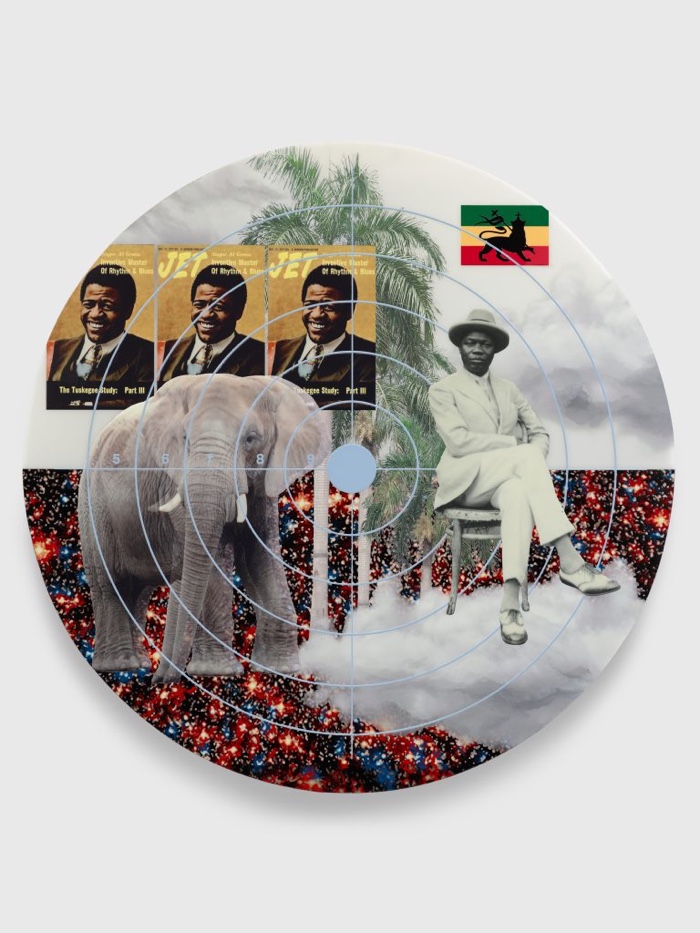
Tavares Strachan, Kojo, 2021
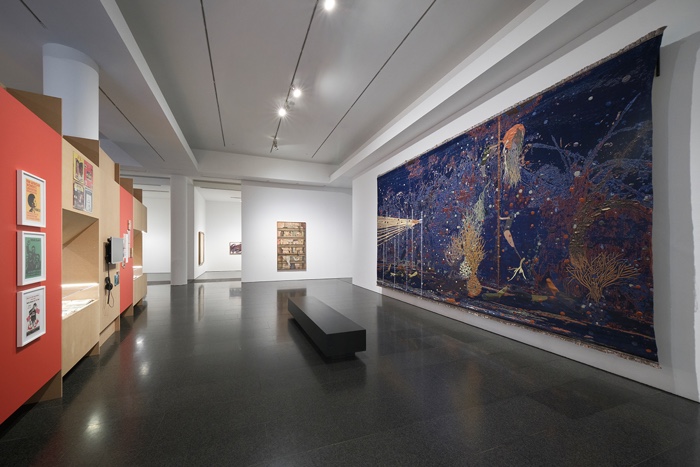
Views of the exhibition “Project a Black Planet: The Art and Culture of Panafrica”, 2025. Photo: Miquel Coll
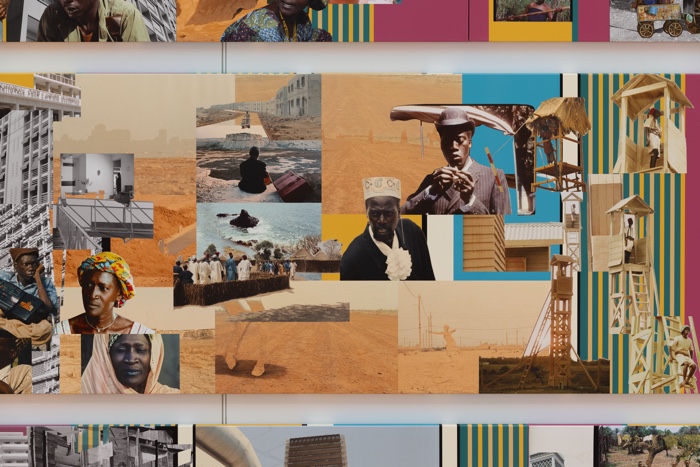
The Otolith Group, A Massive Concentration of Black Interscalar Energy (detail), 2023
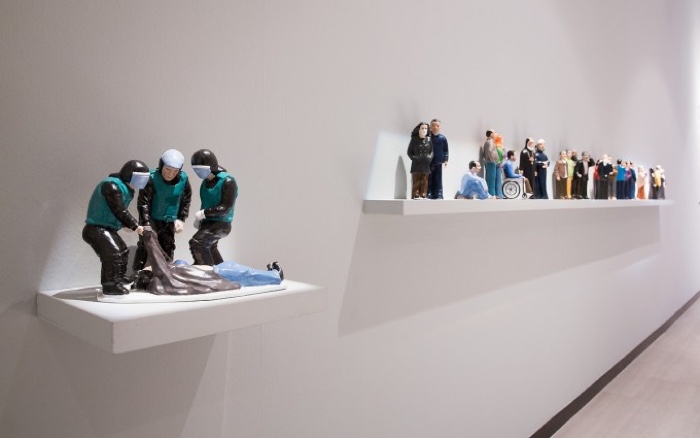
Moataz Nasr, The People (El shaab), 2012
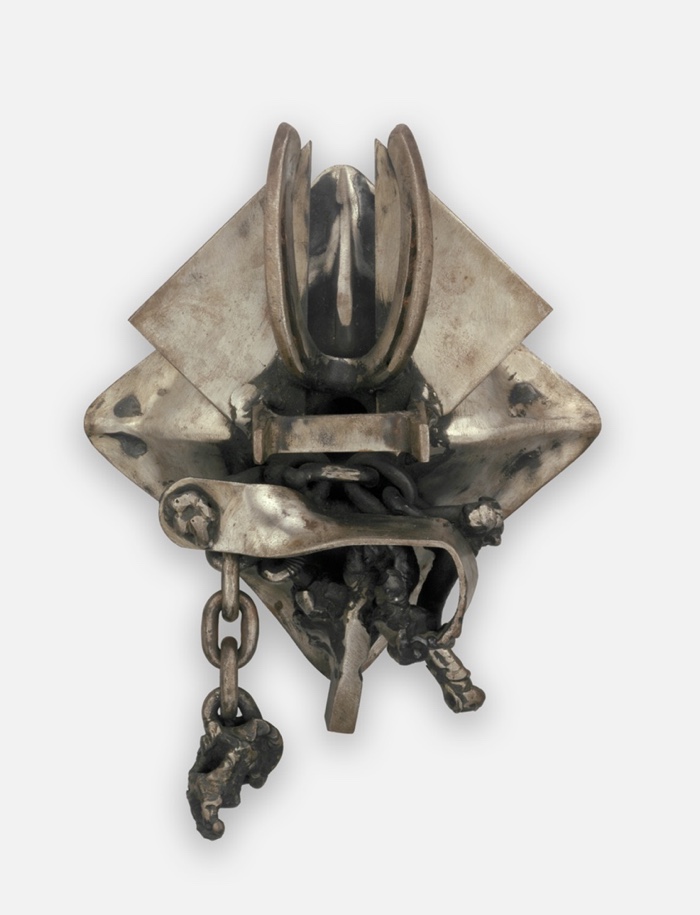
Melvin Edwards, Afrophoenix No.1, 1963
Curated by MACBA director Elvira Dyangani Ose, along with Antawan Byrd, Adom Getachew and Matthew S. Witkovsky, Project a black planet: the art and culture of Panafrica will open Barbican Centre, London, on 11 June 2026 and move to KANAL-Centre Pompidou, Brussels, Spring 2027. The project premiered at the Art Institute of Chicago.