
Exposing Violence: Media Practices and Aesthetics of Radical Truth, by Agnieszka Jelewska, Professor of Media and Cultural Studies at Adam Mickiewicz University in Poznań, Poland, and Michał Krawczak, Associate Professor of Media and Cultural Studies at Adam Mickiewicz University in Poznań. The co-founded the Humanities/Art/Technology Research Center at AMU. Published by MIT Press. The book is available in open access.
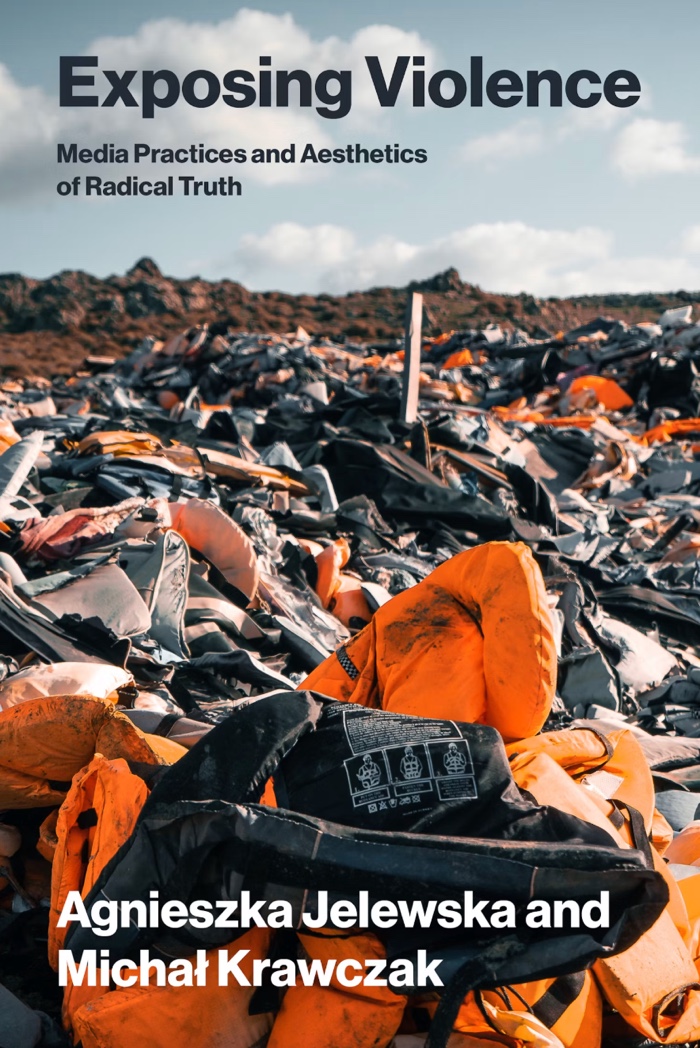
While i’m pulling my hair out in despair because of wars, genocide, social polarisation, spread of far-right ideas and violence, plastic pollution, climate crisis and more, people around the world are working together to build new archives that collect data on violence, produce bottom-up infrastructure for monitoring social and environmental injustice and use anti-violence strategies to achieve justice.
Some of their works is explored in Exposing Violence: Media Practices and Aesthetics of Radical Truth. The book looks at nonhierarchical and experimental media practices that develop new ways of producing knowledge about violence inflicted on both humans and the environment.
The authors contend that, in an era marked by post-truth politics and dark epistemologies, truth can no longer be taken for granted; it must be actively reconstructed within public and political discourse. Since facts, images and data do not automatically produce to truth, new infrastructures, methodologies and practices of verification are required to establish and sustain it. The projects examined in the book arrive at truth not merely through the documentation of reality, but through processes of reconstruction that engage both human and nonhuman actors. These processes depend on transparent, situated and collective tools and procedures for the verification and production of knowledge.
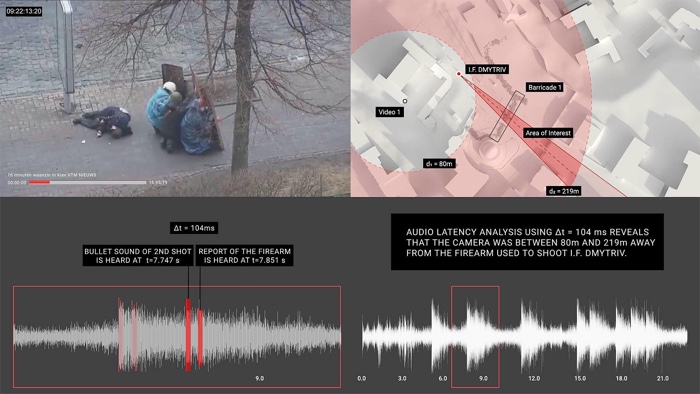
SITU Research, Euromaidan Event Reconstruction. Analytical drawing with audio latency detail, 2018
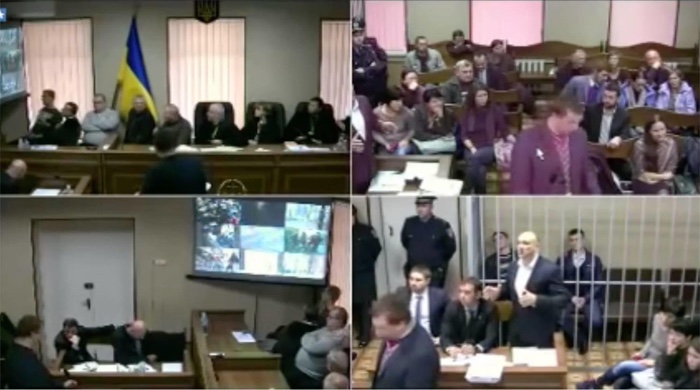
SITU Research, Euromaidan Event Reconstruction. Still image from footage of source videos being presented in the courtroom in Kiev
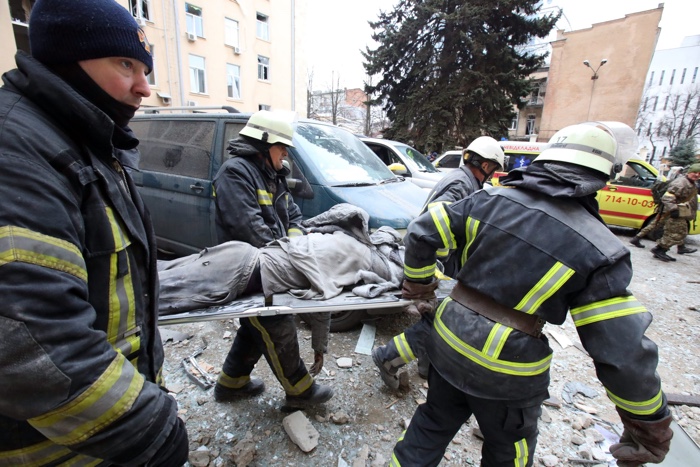
Rescuers carry a wounded person on the stretcher as they respond to shelling in central Kharkiv, northeastern Ukraine, on March 1, 2022. (Photo by Vyacheslav Madiyevskyy/Ukrinform/NurPhoto)
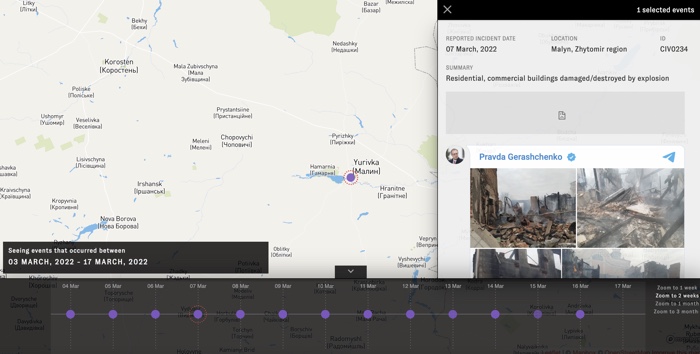
Bellingcat, Mapping Civilian Harm in Ukraine project. A screen grab of the TimeMap showing a selected incident
An example of this dissociation of truth from visual evidence is the severe beating of Rodney King by racist policemen in Los Angeles in 1991. Drawing on Judith Butler’s analysis of the Rodney King beating, the authors remind us that, despite clear visual evidence of police violence, the footage was reframed through racist narratives that portrayed King as the aggressor, reinforcing existing prejudices and helping to justify police brutality. Nearly three decades later, Forensic Architecture and Bellingcat attempted to counter such distortions and demonstrate the reality of systemic racism with the Police Brutality at the Black Lives Matter Protests archive. By connecting incidents across time and space, the archive transforms isolated events into evidence of institutional racism and functions as a tool of resistance, collective knowledge production, and epistemic decolonisation.
Throughout the book, Jelewska and Krawczak examine a wide range of case studies that employ diverse strategies for documenting, reconstructing and communicating violence. Their examples demonstrate that truth emerges not from evidence alone, but from the collective practices that gather, contextualise and make sense of it.
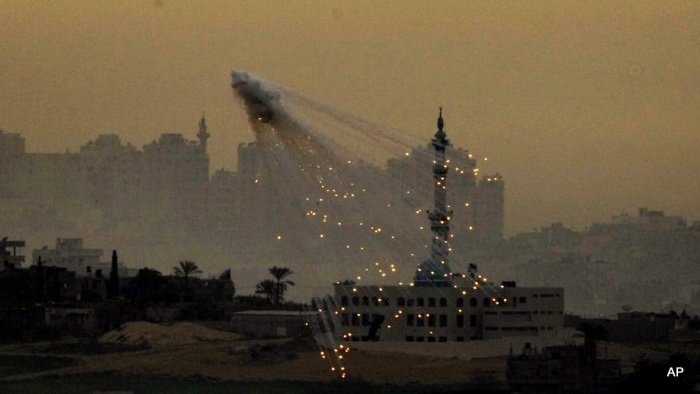
White Phosphorus over Gaza, 16 Jan 2009. (Associated Press)
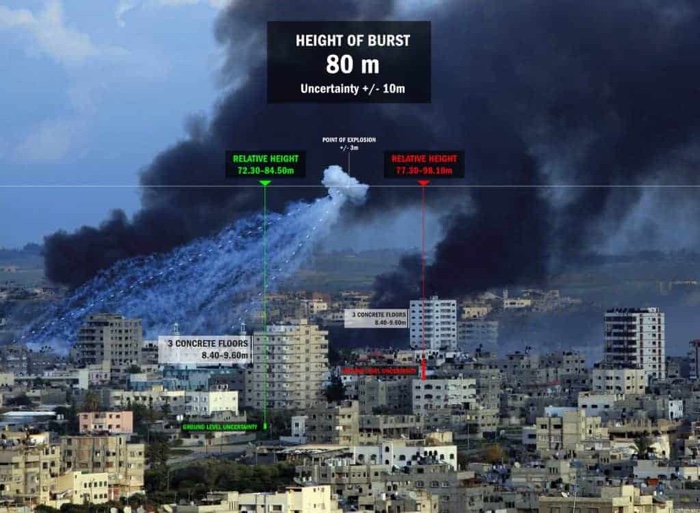
Forensic Architecture, The Use of White Phosphorus Munitions in Urban Environments (‘Height of burst’ calculations over an image of Rafah, Gaza. (Iyad El Baba/UNICEF/SITU Research/Forensic Architecture, 2012))
Forensic Architecture and Amnesty International’s investigation into the bombardment of Rafah in 2014, for example, used open-source materials such as satellite images, witness statements as well as thousands of images and videos shared online to demonstrate that Israeli forces committed disproportionate, or otherwise indiscriminate, attacks which killed scores of civilians in their homes, on the streets and in vehicles and injured many more. The researchers pieced together the evidence by studying elements within the image, such as shadows and the shape of bomb clouds, to locate each image in time and space and compose a narrative of the day.
Other projects rely on far simpler technologies. Following the BP oil spill in the Gulf of Mexico in 2010, Public Lab engaged local communities in documenting petrochemical contamination through low-cost, DIY methods. Participants launched weather balloons and kites equipped with cameras to capture aerial photographs of polluted waters and shorelines. These images not only provided compelling visual evidence of environmental damage but also bridged the gap between ground-level observations and satellite imagery, demonstrating how citizen-led monitoring can produce valuable environmental knowledge.
Forensic Oceanography used advanced chronospatial reconstructions to trace the movements of migrants, vessels and rescue actors in the Mediterranean. In a 2011 case, the team demonstrated that a boat carrying 72 migrants from Libya was abandoned at sea for 14 days despite multiple distress signals and encounters with military forces, resulting in only nine survivors. By combining their testimonies with environmental and satellite data, they reconstructed the event and produced evidence that supported subsequent legal actions.
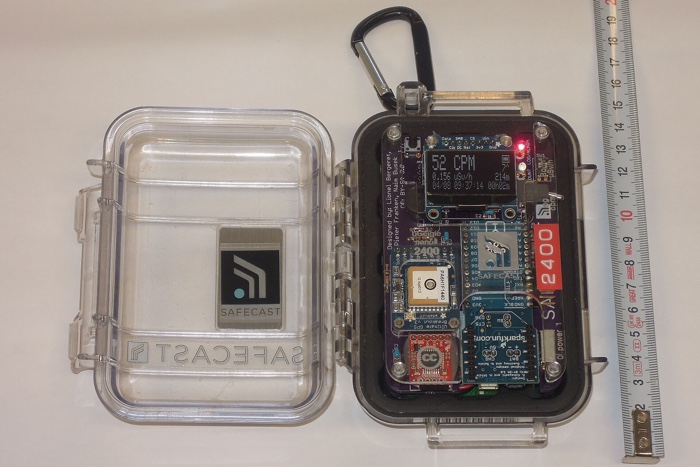
The Safecast bGeigie Nano mobile radiation detector with GPS, with opened case, as used for charging or getting data from microSD card (photo)

The citizen science initiative Safecast enables volunteers to monitor radiation levels after the 2011 Fukushima disaster using the open-source bGeigie radiation detector. All tools, software and data are openly shared, allowing anyone to build devices, contribute measurements, and access results. This transparent and collaborative approach helped build trust among communities and authorities while reducing barriers between scientists and the public.
Similar principles underpin a range of open and collaborative digital archives that emerged from the Arab Spring and other social justice movements. Projects such as 858: An Archive of Resistance, Syrian Archive and Alsaha Archive preserve evidence of repression, human rights abuses and civic resistance, challenging official narratives and recording events from the perspective of affected communities.
The Quipu Project documents the forced sterilisation of around 300,000 people in Peru between 1996 and 2000, most of them poor, rural and Indigenous Quechua-speaking women. To create a participatory archive, the project offered a phoneline for victims to record testimonies in the language of their choice (often Quechua instead of Spanish) and access others’ stories, enabling collective knowledge production. Testimonies were translated into Spanish and English and stored in an interactive archive inspired by the Inca quipu. By prioritising accessibility, community participation and the preservation of victims’ voices, the project sought to promote epistemic justice and challenge top-down approaches to documentation and archiving.
At the heart of these projects lie grassroots resistance, multidisciplinary collaboration and what the authors call agglomeration: the collective process of assembling evidence of violence from diverse sources, including dust and other material traces, images, sounds, data and documents. By bringing these heterogeneous elements together, agglomerations create narratives that render violence visible and publicly accountable. Through this process emerges what the authors call an “aesthetics of radical truth (AeRT)”, a concept that covers various methods of analysing the “relation between people and data, between a territory and money, citizenship status and a racial category”. By merging digital and material realities, AeRT mirrors new forms of violence in which oppressive digital actions have consequences in the physical world and vice versa.
Border Emergency Collective, Zone of Hidden Violence, 2022
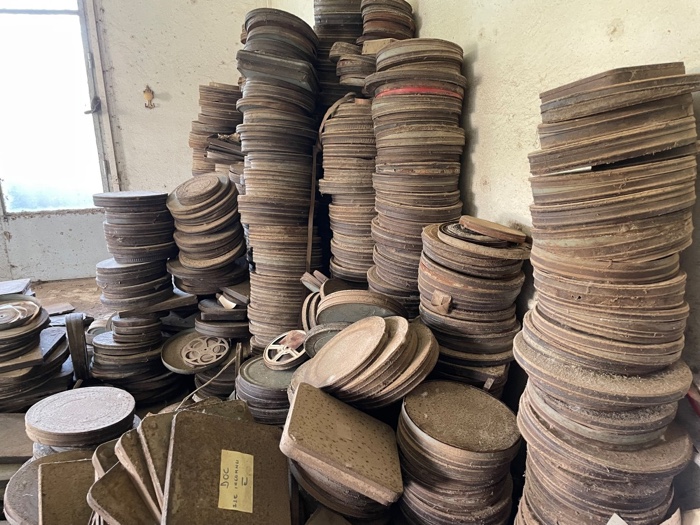
Jihan El-Tahri, Complexifying Restitution, 2022
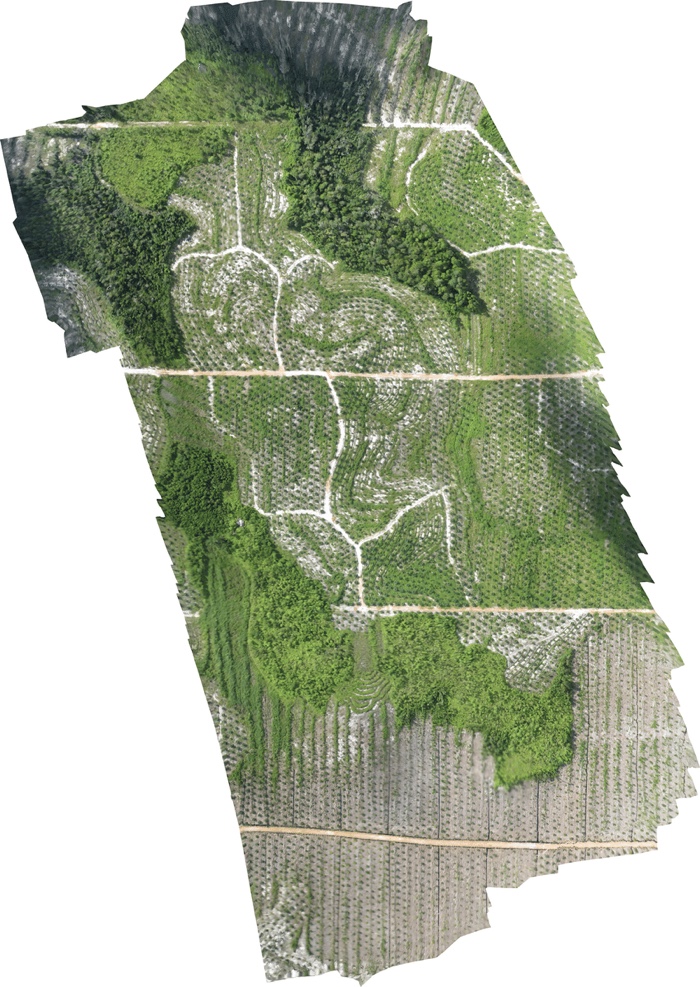
Drone-produced orthophoto showing palm oil planted on local farmland, rubber gardens and customary forest in in West Kalimantan
Whether they repurpose modern technologies such as drones for environmental purposes or develop open-source tools that helps reconstruct incidents of police brutality, these bottom-up initiatives carve out spaces of solidarity and resistance but they can also have tangible impacts. They can help prepare evidence that is later used in international and local courts. In 2014, for example, the Constitutional Court of Indonesia admitted as evidence a series digital maps produced by indigenous communities to document the aggressive activities of extraction corporations. More broadly, collaborative research methods can accelerate investigations, strengthen evidence gathering and expand the capacities of NGOs, activists, journalists and independent researchers by equipping them with new tools, skills, and forms of expertise.
In conclusion: get this book! Exposing Violence: Media Practices and Aesthetics of Radical Truth Its case studies show that while state and corporate violence are becoming increasingly bold, data-driven and technologically mediated, so too are the collaborative practices developed to expose, document and counter them. By bringing together activists, researchers, journalists, affected communities and even nonhuman actors, these initiatives create communities bound not by ideology but by a shared ethical commitment to truth and justice. This book gave me hope. And hope in dark times is a rare gift!